

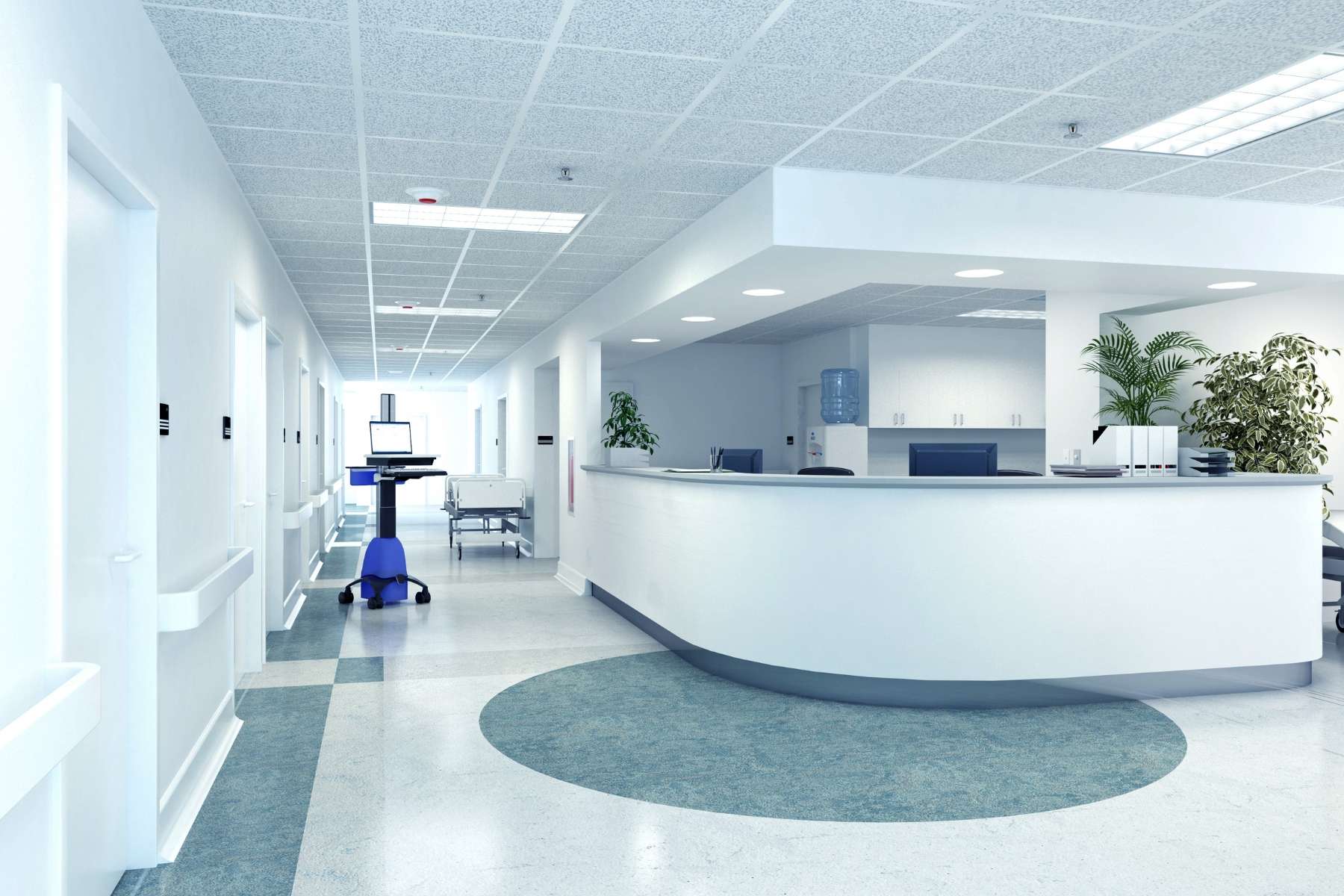
Choosing the right flooring for hospitals requires more than selecting tiles that look good. Hospital floors face heavy foot traffic, frequent cleaning, spills, moisture, and equipment movement throughout the day. The right tile should offer durability, easy maintenance, slip resistance, and a safe surface for patients, staff, and visitors.
Different areas of a hospital may have different flooring requirements. Patient rooms, corridors, bathrooms, waiting areas, and treatment spaces need tiles that can handle their specific conditions.
Considering factors such as durability, water resistance, maintenance, safety, and overall performance can help you select the most suitable tile for a healthcare facility.
What Makes a Tile Suitable for Hospitals?
Hospital flooring must meet practical requirements that support daily cleaning, movement, and overall facility operations. Beyond appearance, the tile should be able to perform consistently in a demanding healthcare environment.
Important factors to look for include:
✔ Heavy-traffic performance
✔ Stain and chemical resistance
✔ Suitable surface texture
✔ Scratch and impact resistance
✔ Consistent appearance
✔ Easy cleaning and upkeep
✔ Compatibility with the intended space
✔ Long-term performance
Evaluating these factors can help narrow down tile options and identify the right flooring for different areas of a hospital.
Note: Find a trusted tile supplier near you offering quality products, a wide selection of styles and materials, reliable delivery, competitive pricing, and expert guidance for your project.
What Should You Look for in Hospital Floor Tiles?
Before comparing different tile types, it is important to understand the qualities required in a healthcare environment.
1. Durability
Hospital floors can experience continuous foot traffic and frequent movement of equipment. Tiles should be strong enough to withstand the expected level of daily use without excessive wear, cracking, or surface damage.
2. Slip Resistance
Spills and cleaning activities can create slippery conditions. Tiles with appropriate slip-resistant properties can help support safer movement, particularly in bathrooms, entrances, utility areas, and other locations where moisture is common. For level interior surfaces expected to be walked on when wet, a wet DCOF value of 0.42 or greater is commonly referenced under ANSI A326.3.
3. Easy Maintenance
Hospital flooring needs regular cleaning. Tiles with surfaces that are easy to clean and maintain can help reduce the effort required for routine floor care.
4. Moisture Resistance
Bathrooms, treatment areas, laboratories, and other healthcare spaces may experience frequent exposure to water or cleaning solutions. Low-absorption tiles can be beneficial in these applications.
5. Chemical and Stain Resistance
Cleaning agents, disinfectants, and accidental spills can affect some flooring materials. The tile should be suitable for the cleaning products and conditions expected in the specific hospital area.
6. Appearance
A healthcare facility does not need to look cold or overly clinical. Tile is available in many colors, patterns, textures, and finishes, allowing designers to create welcoming spaces while maintaining practical performance.
Which Types of Tile Can Be Used in Hospitals?
Several tile categories can be considered for hospital flooring. The best option depends on the location, traffic level, moisture exposure, maintenance requirements, and overall design.
1. Porcelain Tile
Porcelain is a popular option for demanding commercial and healthcare environments because of its density, durability, and low water absorption.
It is available in many finishes and designs, including stone-look, concrete-look, wood-look, and solid colors. This makes it possible to match different hospital spaces without sacrificing practical performance.
Porcelain can work well in:
✔ Corridors
✔ Patient rooms
✔ Lobbies
✔ Waiting areas
✔ High-traffic spaces
✔ Bathrooms
The appropriate wear rating, surface texture, and slip resistance should be considered based on the intended application.
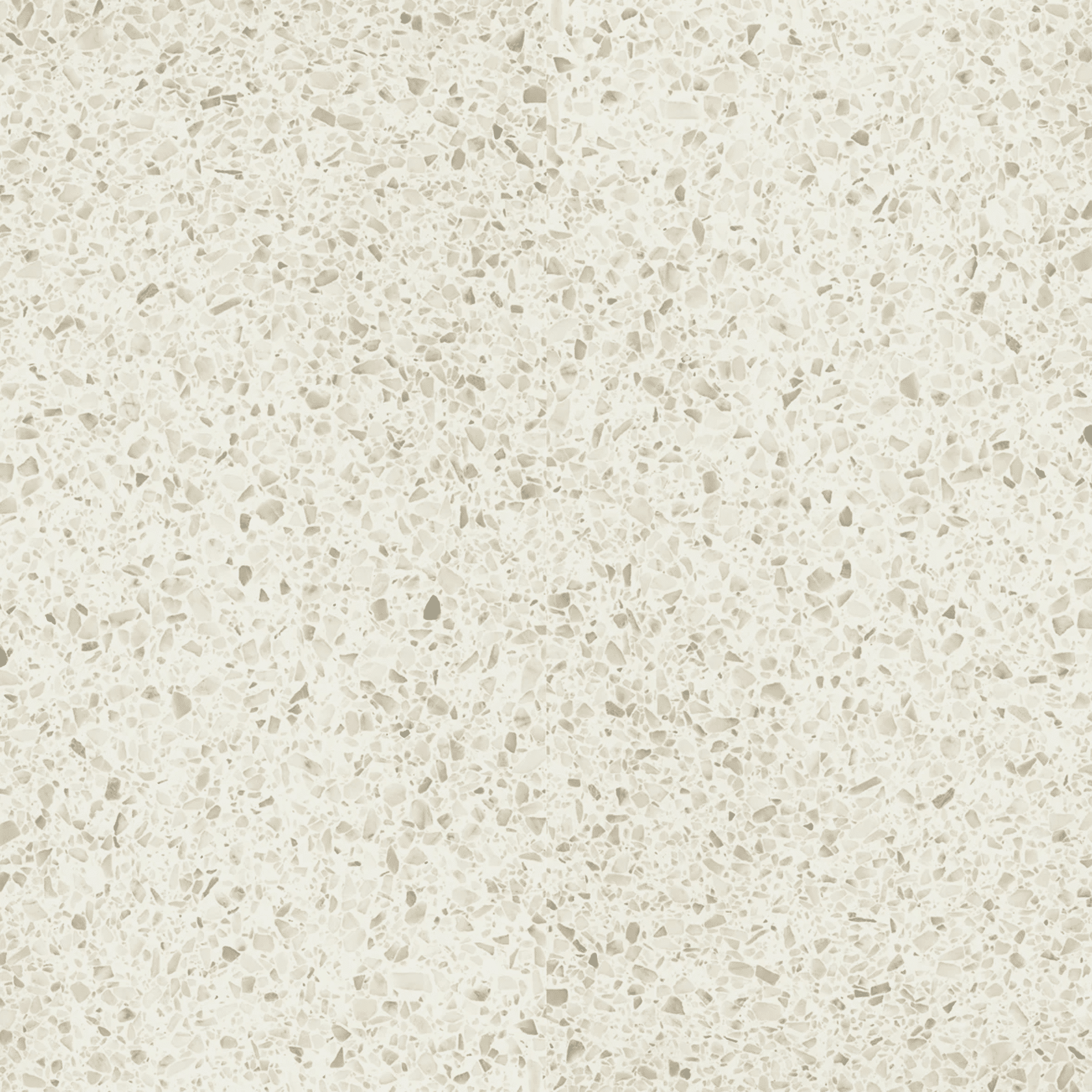
2. Ceramic Tile
Ceramic tile is another option for healthcare environments. It is available in a broad selection of colors, shapes, patterns, and finishes, making it useful when design flexibility is important.
Ceramic tiles may be suitable for lower-impact areas and certain interior applications. However, specifications such as water absorption, strength, and intended use should be checked before selecting a product for hospital flooring.
Ceramic tile can also be particularly useful for walls and other areas where floor-specific performance requirements are not as demanding.
3. Quarry Tile
Quarry tile is known for its dense, durable construction and practical appearance. It has traditionally been used in demanding commercial spaces where heavy traffic and frequent cleaning are expected.
Its textured surface can provide useful traction, depending on the selected product. Quarry tile may be considered for areas such as service spaces, kitchens, utility areas, and other locations where durability is a priority.
However, the specific tile finish and maintenance requirements should always be evaluated for the intended hospital application.
4. Luxury Vinyl Tile (LVT)
Although not technically a tile made from ceramic or stone, luxury vinyl tile is a widely used flooring option in healthcare environments. It offers tile- or stone-inspired designs while providing a resilient, comfortable surface with straightforward maintenance.
LVT is particularly valued in hospitals for its acoustic benefits, cushioned feel underfoot, and reduced fatigue for staff who stand for long periods. Its suitability depends on the specific healthcare application, product specifications, and performance standards.
5. Rubber Flooring
Rubber flooring for hospitals is widely used across healthcare facilities because of its excellent slip resistance, shock absorption, and noise reduction. It provides a comfortable, cushioned surface that reduces strain on staff working long shifts and helps minimize noise in patient care areas.
Some rubber flooring products are available with antimicrobial or easy-to-sanitize surface technologies, making them a practical choice for nursing stations, ICUs, and other high-activity zones.
6. Terrazzo Tile
Terrazzo has a long-standing history in healthcare facilities due to its durability, low maintenance, and seamless or near-seamless appearance. When properly installed and sealed, terrazzo minimizes grout lines and joints, which can simplify cleaning and maintenance compared with flooring systems that have numerous grout joints.
It is often used in high-traffic corridors, lobbies, and public areas where long-term performance and a polished appearance are both priorities.
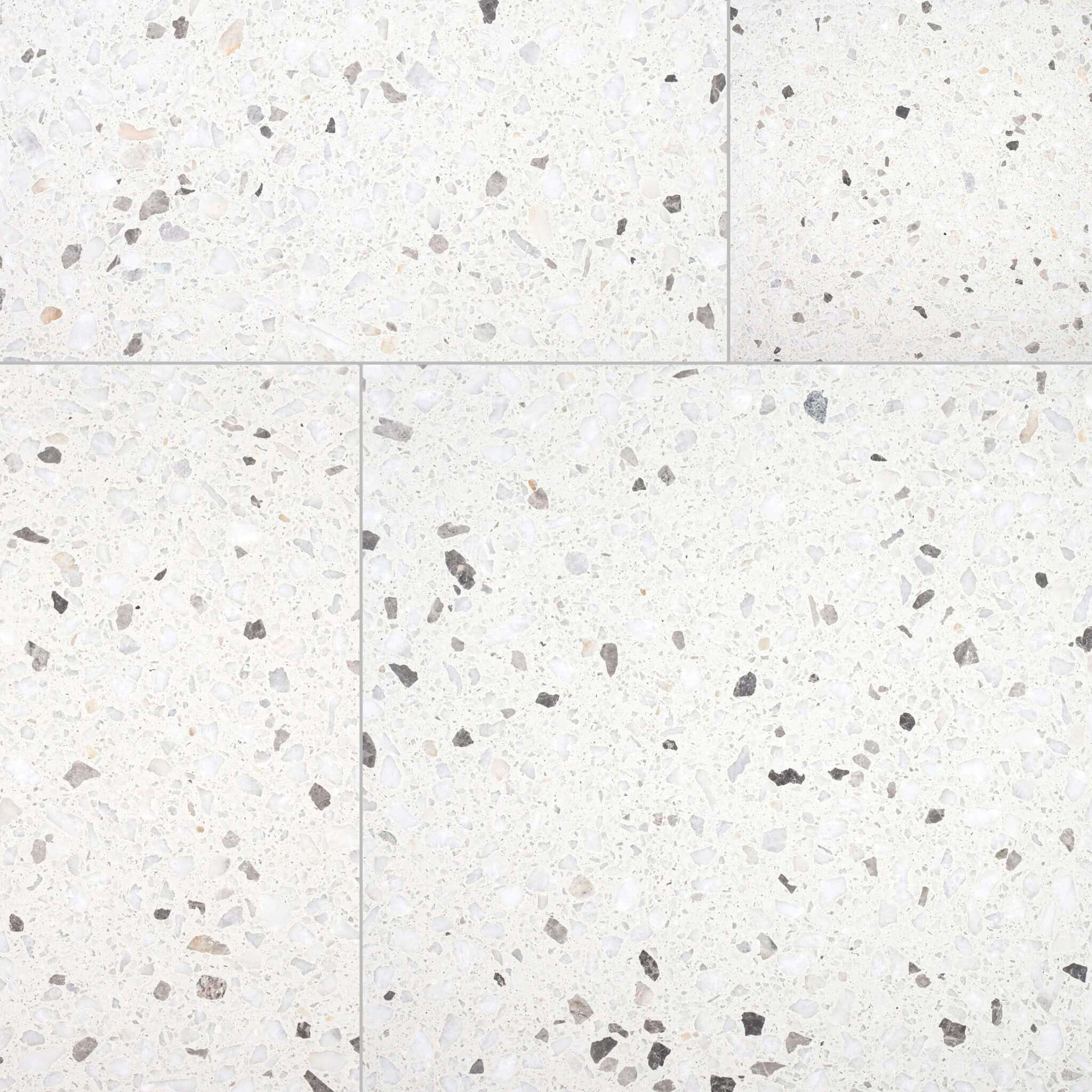
What About Grout and Infection Control?
Grout lines are a common concern in healthcare settings because grout joints, depending on their width, porosity, and how well they are sealed and maintained, can be more difficult to sanitize than a seamless surface if not properly cared for. This is an important factor to consider when selecting tile for hospital flooring.
However, this does not mean tile should be ruled out. Several approaches can help address hygiene concerns:
1. Epoxy Grout: Epoxy grout is non-porous and more resistant to moisture and staining compared to standard cement-based grout, which can make it easier to clean and maintain. It is often used in healthcare and food-service settings where hygiene is a priority.
2. Minimal Grout Joint Width: Using large-format tile with narrow, tightly sealed joints reduces the surface area where contaminants can collect, making floors easier to clean and maintain.
3. Sealed Grout With Regular Maintenance: Proper sealing combined with a consistent cleaning schedule can make grout lines significantly easier to clean and maintain over time.
4. Large-Format Porcelain Tile: Large-format tile has fewer grout lines overall compared to smaller tile, which can simplify cleaning and maintenance in high-traffic hospital areas.
For areas with the highest hygiene sensitivity, such as operating rooms, ICUs, or labs, many healthcare facilities choose seamless flooring options like sheet vinyl or resilient flooring instead of tile. For corridors, lobbies, waiting areas, and patient rooms, properly specified tile with epoxy grout and large-format design can still be a durable, design-flexible, and easy-to-maintain option.
What Tile Size Works Best in Hospitals?
Tile size should be selected according to the function and dimensions of the space rather than choosing one size for the entire facility.
Large-format tiles can reduce the number of grout joints and create a clean, contemporary appearance. Smaller tiles may be useful in bathrooms and areas requiring more detailed layouts or drainage slopes.
The grout system should also be considered because grout joints can affect cleaning and long-term maintenance.
Related Articles:
How Much Does It Cost to Install Ceramic Tile?
Which Tile Patterns Are Trending in Luxury Homes
Light vs Dark Floor Tiles: Which Is Better for Your Space
Finding It Difficult to Choose Hospital Flooring?
Choosing hospital flooring means balancing durability, maintenance, safety, and design. MMG Tile & Stone offers a curated selection of porcelain, ceramic, and terrazzo tiles in a variety of colors, sizes, patterns, and finishes to suit different healthcare spaces.
MMG Tile & Stone also offers $1 samples, so you can review the actual tile before ordering. Building and design professionals can join the MMG Trade Program for free samples, discounted pricing, and a dedicated representative, plus 10% OFF your first order.
So, What Is the Best Tile for Hospitals?
For most hospital areas, corridors, patient rooms, and high-traffic zones, porcelain tile is a strong option due to its durability, low water absorption, and design versatility.
However, other options can be better suited for specific applications: ceramic for design flexibility in lower-impact areas, quarry tile for utility spaces, and luxury vinyl tile where comfort and acoustics matter most.
Ultimately, the best flooring depends on the specific space, traffic, moisture exposure, cleaning requirements, and performance needs.