

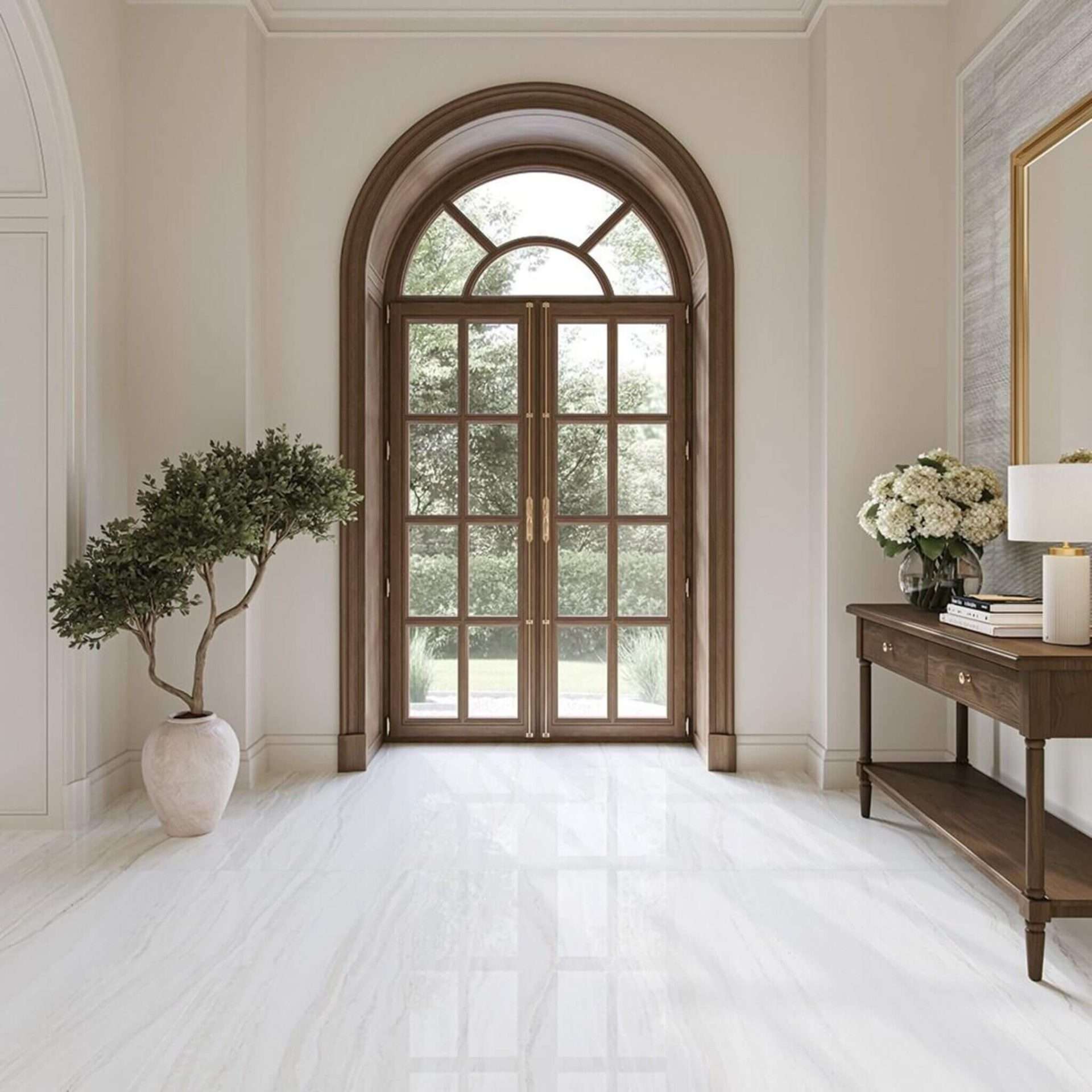
A tile can look perfect on the surface, but what happens underneath? That is where through-body porcelain tile stands out. Unlike glazed porcelain, which uses a separate glaze to create its visible surface, through-body porcelain is manufactured with its color and material composition extending throughout the tile body.
This unique construction can be especially useful in areas that experience frequent foot traffic, where everyday wear and minor chips are more likely to occur. Since the material beneath the surface closely matches the visible surface, small signs of wear may be less noticeable.
So, what exactly is through-body porcelain, how is it made, and how does it compare with other types of porcelain tile? Let’s take a closer look at its construction, benefits, applications, and key factors to consider before choosing it.
What Is Through-Body Porcelain Tile?
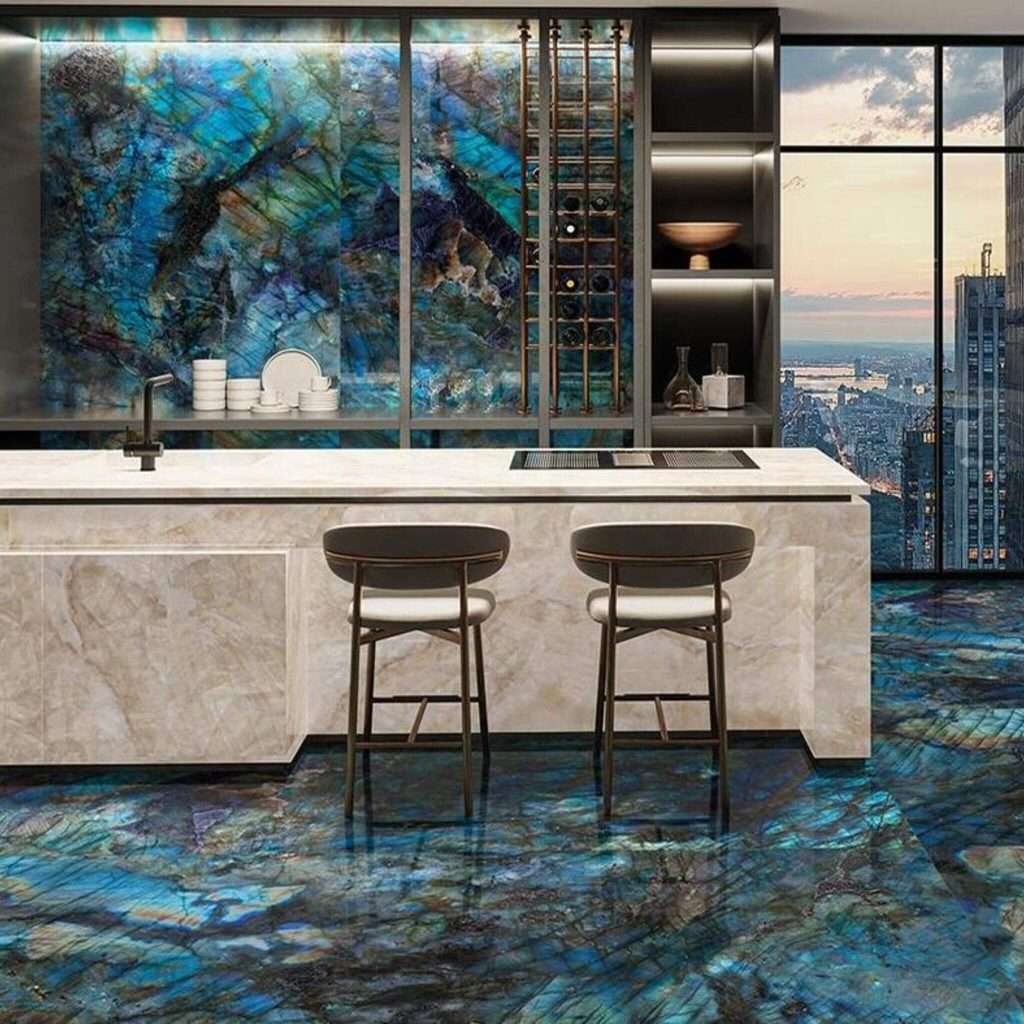
Through-body porcelain tile, also called full-body porcelain tile, is manufactured with its color and material composition extending throughout the tile body. Unlike glazed porcelain, where the decorative finish is mainly on the surface, through-body porcelain has a similar material composition from the top of the tile to the bottom.
This means the tile’s appearance is not dependent on a separate surface glaze. If the tile is cut or develops a small chip, the exposed body has a color that is consistent with or closely related to the visible surface.
Note: Through-body porcelain comes in different finishes depending on the product. Understanding the differences between glazed and polished porcelain can help you compare appearance and maintenance requirements.
How Is Through-Body Porcelain Made?
The manufacturing process generally involves several steps:
✅ Raw materials are blended: Natural minerals, clays, and other materials are combined to create the porcelain body.
✅ Color is incorporated: Pigments or colored materials can be blended into the body to achieve the desired appearance.
✅ The tile is pressed: The mixture is formed under high pressure into the required size and shape.
✅ The tile is fired: High-temperature firing helps create the dense porcelain body and its low water absorption.
Because the color is incorporated into the tile body rather than being limited to a surface glaze, the tile maintains a consistent body composition throughout.
Why Is This Construction Useful?
Through-body porcelain can be a practical choice for areas exposed to regular foot traffic and everyday wear. Minor chips or surface wear may be less visually noticeable when the exposed body has a similar color to the surface.
However, through-body construction does not make a tile immune to damage. The tile’s thickness, finish, installation, intended application, and manufacturer specifications should also be considered when choosing a product.
Note: A carefully planned pattern can enhance through-body porcelain while maintaining its consistent body appearance. Consider current tile pattern trends when planning your installation.
Benefits of Through-Body Porcelain Tile
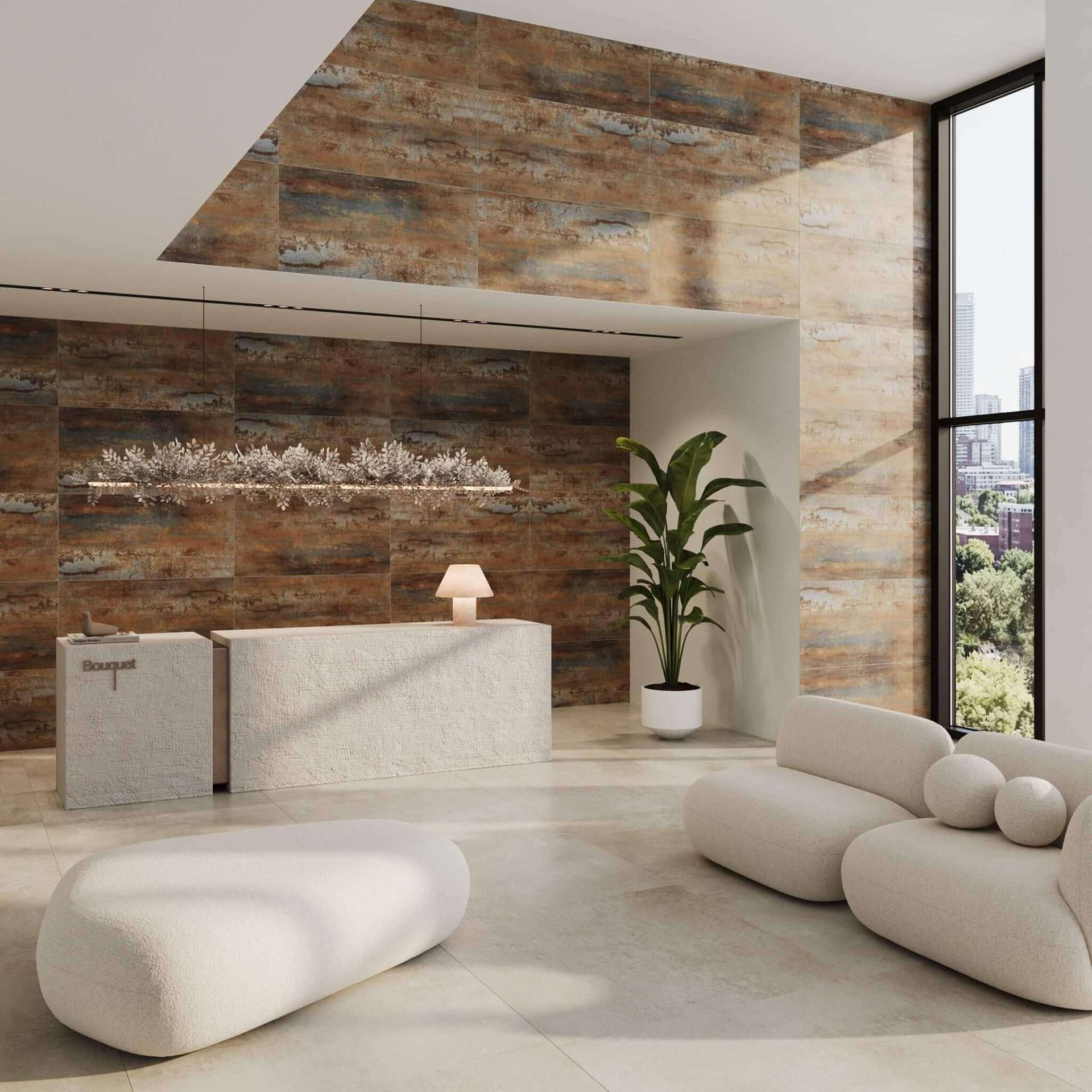
Through-body porcelain tile offers several practical benefits because its color and material composition extend through the tile body rather than being limited to a surface layer.
1. Consistent Body Color
The color of a through-body porcelain tile continues through the tile body. This creates a more consistent appearance when the tile is cut during installation and helps maintain visual continuity across the surface and exposed edges.
2. Less Noticeable Minor Chips
Because the color extends through the tile body, small chips or areas of surface wear may be less noticeable than they would be on a tile with a contrasting body. However, through-body porcelain is not chip-proof, and larger damage can still be visible.
3. Consistent Appearance at Cut Edges
Cutting a through-body porcelain tile exposes the same or closely related material found within the tile body. This can be useful for installations that include visible cut edges, detailed layouts, or areas where the edge of the tile may be noticeable.
4. Suitable for High-Wear Areas
The consistent body composition makes through-body porcelain a practical option for areas that experience regular foot traffic and everyday surface wear. It is commonly considered for busy residential and commercial spaces, depending on the product’s specifications and recommended application.
5. Available in Different Styles and Finishes
Through-body porcelain is available in a variety of colors, sizes, patterns, and finishes. The specific options depend on the manufacturer and product, allowing it to work with different interior design styles and project requirements.
Note: Like other porcelain tiles, through-body porcelain also has a dense structure and low water absorption. These are general characteristics of porcelain tile rather than benefits unique to through-body construction.
Through-Body vs. Color-Body vs. Glazed Porcelain Tile
Porcelain tiles can be made using different manufacturing methods, and the terms “through-body,” “color-body,” and “glazed porcelain” describe differences in the tile’s body and surface. While they can look similar from the top, their construction is different.
Through-Body Porcelain Tile
The color and material composition extend throughout the tile body. There is no separate decorative glaze responsible for the tile’s basic color.
✔ Color continues through the tile body
✔ Minor chips may be less noticeable
✔ Often used for demanding flooring applications
✔ Available in different colors and finishes
Color-Body Porcelain Tile
Color-body porcelain has a colored body designed to coordinate with the tile’s surface appearance. The surface can still have a printed design or finish, so it should not be confused with a completely uniform through-body tile.
✔ Body color is matched or coordinated with the surface
✔ The surface can include detailed patterns or designs
✔ Chips may be less noticeable than with a contrasting body
✔ Available in many decorative styles
Glazed Porcelain Tile
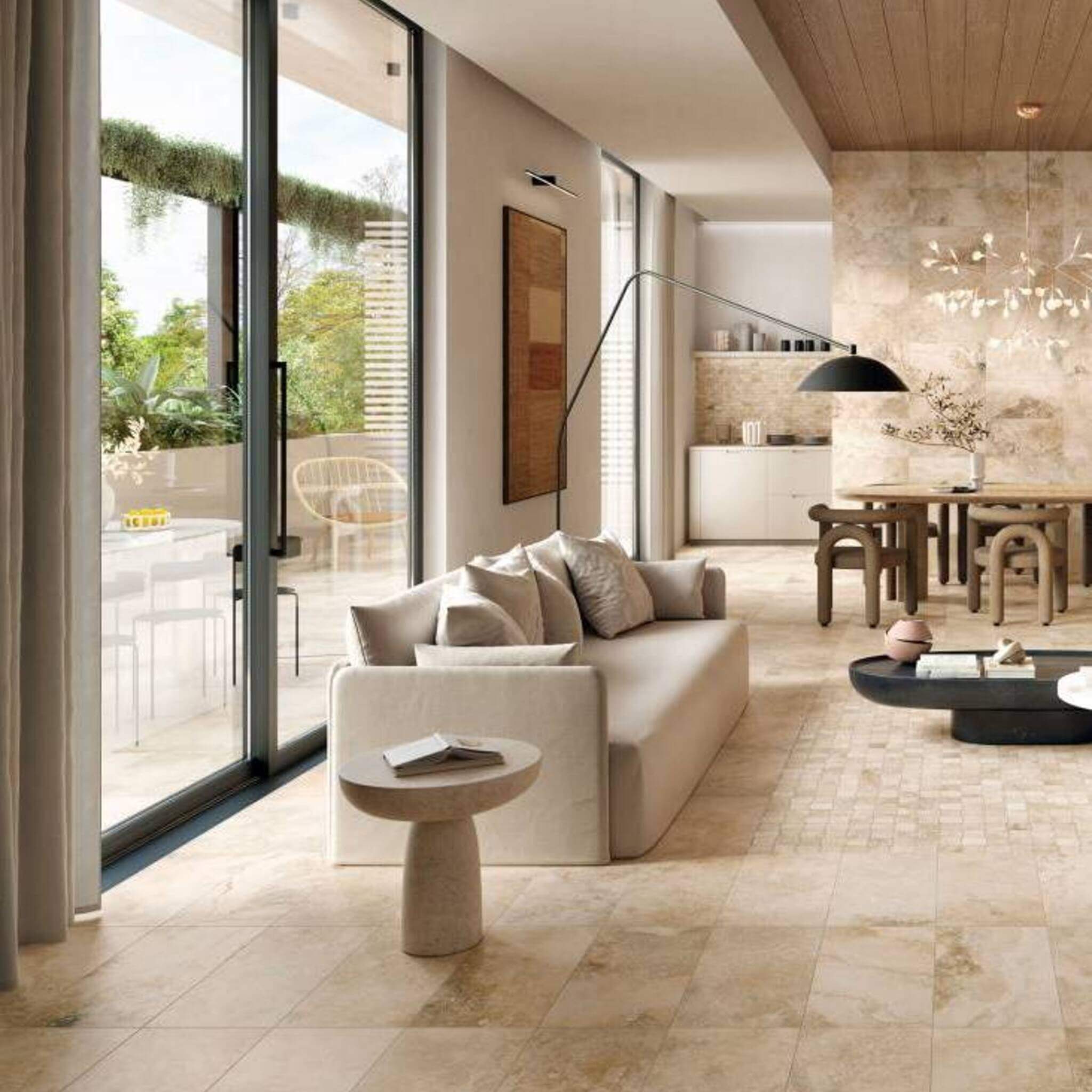
Glazed porcelain has a decorative glaze applied over the porcelain body. The glaze creates the visible color, pattern, texture, or finish of the tile.
✔ Decorative glaze is applied to the surface
✔ Offers extensive design and pattern options
✔ Can replicate marble, wood, stone, and other materials
✔ The body underneath may have a different color from the surface
What Is the Main Difference?
The simplest way to understand them is to look at where the color and design come from:
Terminology can vary between manufacturers, so always check the product’s technical specifications when comparing porcelain tiles.
Tip: When selecting through-body porcelain for a patterned floor, look beyond classic combinations. Different checkerboard tile colors can add personality while creating a consistent overall look.
Which Porcelain Tile Should You Choose?
The right choice depends on your space, expected foot traffic, and design preferences. Through-body porcelain can be a good option when consistent body color is important, while color-body porcelain offers a coordinated body with more surface design options. Glazed porcelain provides extensive colors, patterns, and realistic material looks.
Before choosing, check the product’s specifications, recommended application, finish, slip resistance, and maintenance requirements to make sure it suits your project.
What Types of Tile Are Through-Body Porcelain?
Through-body porcelain refers to the way a porcelain tile is manufactured. Its color and material composition extend through the tile body rather than being limited to a decorative surface layer. This construction can be found across different tile styles, sizes, and finishes.
Common examples include:
✅ Full-body porcelain tile: Often used as another term for through-body porcelain, with a consistent material composition throughout the tile.
✅ Concrete-look porcelain: Some concrete-look tiles are manufactured with through-body construction for a consistent appearance through the tile.
✅ Stone-look porcelain: Certain stone-look designs use through-body construction, although others may be color-body or glazed.
✅ Large-format porcelain: Some large-format products are made with through-body construction, depending on the manufacturer and product specifications.
✅ Polished or matte porcelain: Through-body porcelain can be available in different finishes, including polished and matte, depending on the product.
It is important to remember that a tile’s appearance does not determine whether it is through-body porcelain. A marble-look, concrete-look, or stone-look porcelain tile can use different manufacturing methods. Always check the manufacturer’s product specifications to confirm the tile’s construction.
Still Unsure About Through-Body Porcelain Tile?
Finding the right porcelain tile starts with seeing your options up close. MMG Tile & Stone offers a wide selection of porcelain, ceramic, natural stone, and mosaic tiles in a range of colors, sizes, and styles for residential and commercial projects.
Browse our porcelain tile collection to find a style that fits your project, or order a sample to see the color and finish in your space before you buy.
Need help narrowing down your options? Call 800.631.8913 or contact the MMG Tile & Stone team for assistance.
Browse All Tiles | Order a Sample
What to Consider When Choosing Through-Body Porcelain Tile?
Before choosing through-body porcelain tile, consider where it will be installed and how the space will be used. Look at the tile’s size, thickness, finish, slip resistance, and recommended application to make sure it suits the project.
It is also important to check the manufacturer’s specifications and installation requirements. Comparing these details along with the tile’s color and style can help you select a product that fits both the practical needs and overall design of your space.