

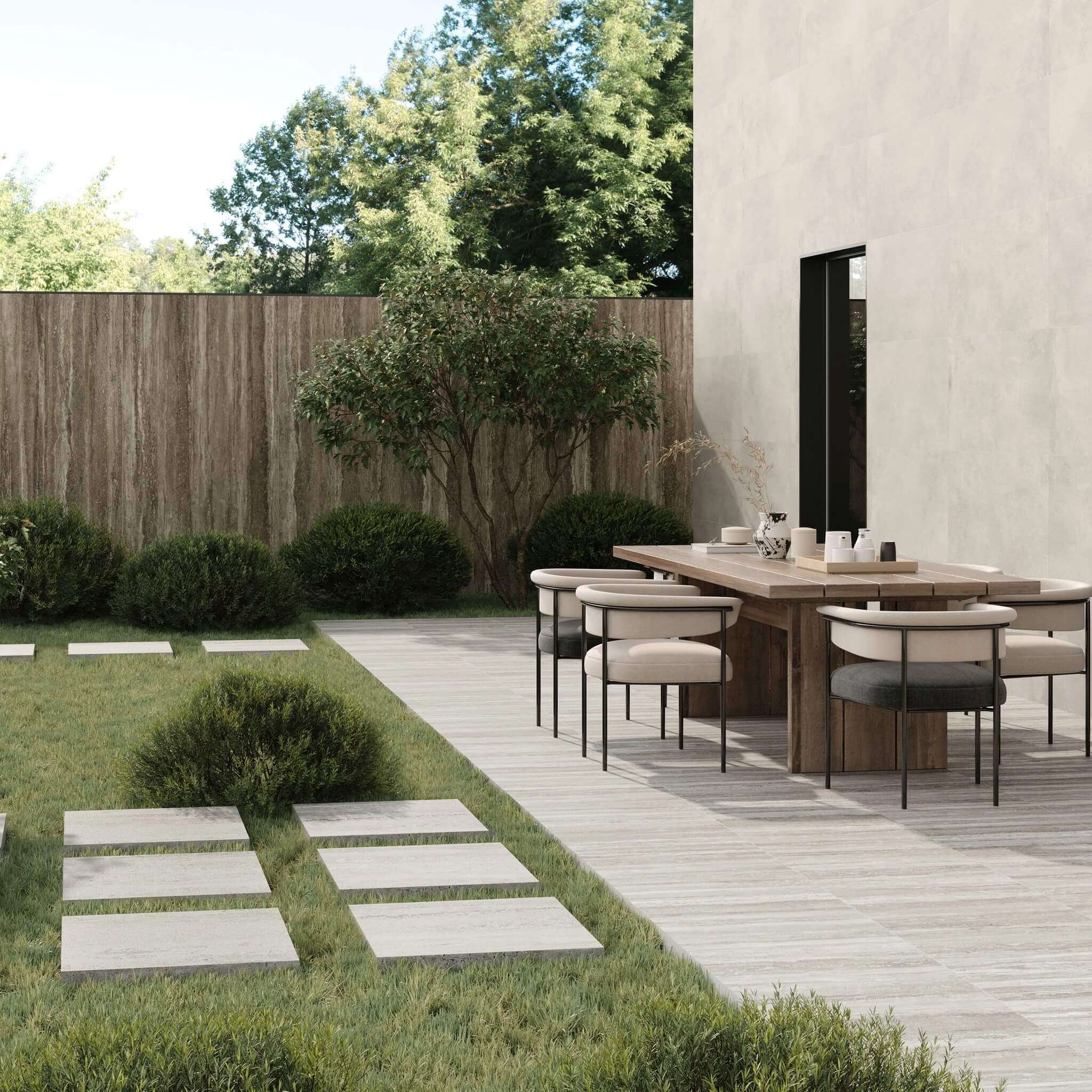
Cold weather can create serious challenges for outdoor surfaces, especially in areas where temperatures regularly drop below freezing. Water can enter porous tile, freeze, expand, and eventually cause the tile to crack or break. Choosing the right material can help prevent these problems.
Frost-resistant tile is designed to withstand repeated freezing and thawing conditions without significant damage. It is commonly used for outdoor areas such as patios, walkways, balconies, and pool surrounds where exposure to moisture and cold temperatures is a concern.
Understanding how frost-resistant tile works and where it should be used can help you choose a durable flooring material for cold climates.
What Is Frost-Resistant Tile?
Frost-resistant tile is tile manufactured to handle freezing temperatures and repeated freeze-thaw cycles. Its resistance to frost is largely related to its water absorption rate.
When tile absorbs water and temperatures fall below freezing, the trapped moisture can expand. If the tile cannot accommodate this expansion, internal pressure may cause cracking, chipping, or surface damage.
Frost-resistant tiles have very low water absorption, reducing the amount of moisture that can enter the material. This makes them better suited for outdoor installations in regions that experience freezing weather.
Note: When choosing tile for freezing outdoor conditions, check its water absorption, exterior-use rating, and freeze-thaw performance. Learn more about the difference between indoor and outdoor tiles to choose a material suited to your project.
How Does Frost Damage Tile?
The main concern is not simply cold temperatures but the combination of moisture and freezing temperatures.
The process typically works like this:
✔ Water enters the pores of a tile.
✔ Temperatures fall below freezing.
✔ The water freezes and expands.
✔ Pressure develops inside the tile.
✔ Repeated freeze-thaw cycles can weaken the material.
✔ Cracks, flakes, or other damage may eventually appear.
A tile that performs well indoors may not be suitable for an exposed outdoor installation in a cold climate.
Where Should You Use Frost-Resistant Tile?
Frost-resistant outdoor tile is particularly useful in areas exposed to moisture and freezing temperatures.
1. Outdoor Patios
Patios can be exposed to rain, snow, ice, and temperature changes throughout the year. Frost-resistant tile can provide a durable surface for outdoor entertaining areas when the product and installation system are rated for the conditions.
2. Walkways
Outdoor walkways can experience repeated wet and freezing conditions. Choosing tile designed for exterior use can help reduce the risk of freeze-related damage.
Slip resistance should also be considered, particularly in areas that may become wet, icy, or snowy.
3. Balconies and Terraces
Balconies and terraces are exposed to changing weather conditions and need materials that can handle moisture and temperature fluctuations. Frost-resistant tile can be a suitable option when the entire installation system is designed for exterior use.
4. Outdoor Steps
Steps require extra attention because they are exposed to weather and can become slippery when wet or icy. In addition to frost resistance, choose a tile with appropriate slip resistance and an installation method suitable for exterior conditions.
5. Pool Surrounds
Pool areas can be exposed to moisture throughout the year. In colder climates, frost-resistant tile may be appropriate for outdoor pool surrounds, provided the product is rated for exterior use and has suitable slip-resistant properties.
6. Outdoor Kitchens
Outdoor kitchens may experience rain, snow, and freezing temperatures. Frost-resistant tile can be used for floors and certain surrounding surfaces where moisture exposure is expected.
Tip: For outdoor areas with regular foot traffic, consider both frost resistance and wear resistance. A tile’s PEI rating can help you understand its suitability for different levels of foot traffic.
What Makes a Tile Frost Resistant?
Several factors influence a tile’s ability to withstand freezing conditions.
Low Water Absorption
Low water absorption is one of the most important characteristics. The less moisture a tile absorbs, the less water is available to freeze inside it.
Porcelain tile is often a strong choice for frost-prone areas because it has a very low water absorption rate when it meets the appropriate standards for the intended installation.
Dense Construction
Dense tile has fewer open pores where water can collect. This helps reduce the risk of damage during freeze-thaw cycles.
Proper Installation
Even a frost-resistant tile can experience problems if it is installed incorrectly. Water that becomes trapped beneath the tile can create additional stress during freezing conditions.
A suitable exterior-rated setting material, proper substrate preparation, drainage, and appropriate grout and joints all contribute to a durable installation.

Is Porcelain Tile Frost Resistant?
Porcelain tile is one of the most commonly considered options for cold-weather applications because its dense composition and low water absorption make it resistant to moisture penetration.
However, not every porcelain tile should automatically be assumed to be suitable for outdoor freezing conditions.
Before choosing a product, check the manufacturer’s technical specifications to confirm that it is rated for exterior and freeze-thaw applications. Installation requirements should also be followed carefully.
What Tiles Should You Avoid in Frost-Prone Areas?
Tiles with higher water absorption may be more vulnerable to freeze-thaw damage. Some natural stone products can also require additional consideration because their porosity and performance vary significantly by material.
Indoor-only tiles should generally not be used in exposed outdoor areas simply because they have a suitable appearance.
Before purchasing tile for a cold-weather installation, check:
✔ Water absorption
✔ Frost or freeze-thaw rating
✔ Exterior-use rating
✔ Slip resistance
✔ Recommended installation method
✔ Manufacturer’s temperature and application requirements
Frost Resistance vs. Slip Resistance
Frost resistance and slip resistance are two different characteristics.
Frost resistance refers to how well the tile can withstand freezing and thawing conditions without damage.
Slip resistance relates to how much traction the surface provides, particularly when it is wet.
For outdoor applications in cold climates, you may need both. A tile can be frost-resistant but still be unsuitable for a wet or icy walkway if it does not provide adequate traction.

Planning an Outdoor Tile Project? Start With the Right Material
The right outdoor tile should offer the performance your project needs along with the style you want. MMG Tile & Stone offers a wide selection of porcelain, ceramic, natural stone, mosaics, and slabs sourced from around the world, with materials carefully selected and inspected before shipment.
Not sure which option fits your project? Order a sample to see the material up close before making your decision. Homeowners and professionals can also take advantage of MMG’s Trade Program, which offers exclusive discounts, free samples, dedicated representatives, and discounted pricing for approved building and design professionals.
You can also take 10% off your first order when you sign up through MMG Tile & Stone.
Browse the collection and find a tile that suits your outdoor project.
How to Choose Frost-Resistant Tile
When shopping for tile for a cold-weather outdoor project, consider the following factors:
1. Check the Manufacturer’s Specifications
Do not rely only on the tile’s material or appearance. Review the technical information to confirm that the product is approved for the intended exterior and freeze-thaw application.
2. Consider Water Absorption
Look for products with low water absorption that are appropriate for exterior freezing conditions.
3. Think About Surface Safety
For patios, walkways, pool surrounds, and steps, consider slip resistance along with frost resistance.
4. Consider the Climate
The severity and frequency of freezing conditions can influence your material choice. Areas with regular freeze-thaw cycles may require more careful product selection than areas that experience occasional cold temperatures.
5. Follow Installation Requirements
Use the installation materials and methods recommended for the specific tile and application. Proper drainage and movement accommodation are particularly important for exterior installations.
Frost-resistant tile is designed to withstand freezing temperatures and repeated freeze-thaw cycles, making it suitable for patios, walkways, balconies, steps, and other outdoor areas.
Porcelain can be a strong option, but always confirm that the specific product is rated for exterior and freeze-thaw conditions. Consider frost resistance, water absorption, slip resistance, drainage, and proper installation when choosing outdoor tile for a cold climate.