

Tiles are one of the most essential elements in modern interior and exterior design, offering a perfect balance of functionality and visual appeal. Whether you are designing a home, renovating a space, or working on a commercial project, the type of tile you choose can significantly impact durability, maintenance, and overall aesthetics.
Among the most widely used options today are ceramic and vitrified tiles. While they may look similar at first glance, they differ greatly in terms of composition, strength, water resistance, and long-term performance.
Understanding these differences is crucial to avoiding costly mistakes and ensuring the right fit for your space. This guide will help you clearly understand both tile types so you can make a confident and informed decision.
What Are Ceramic Tiles?
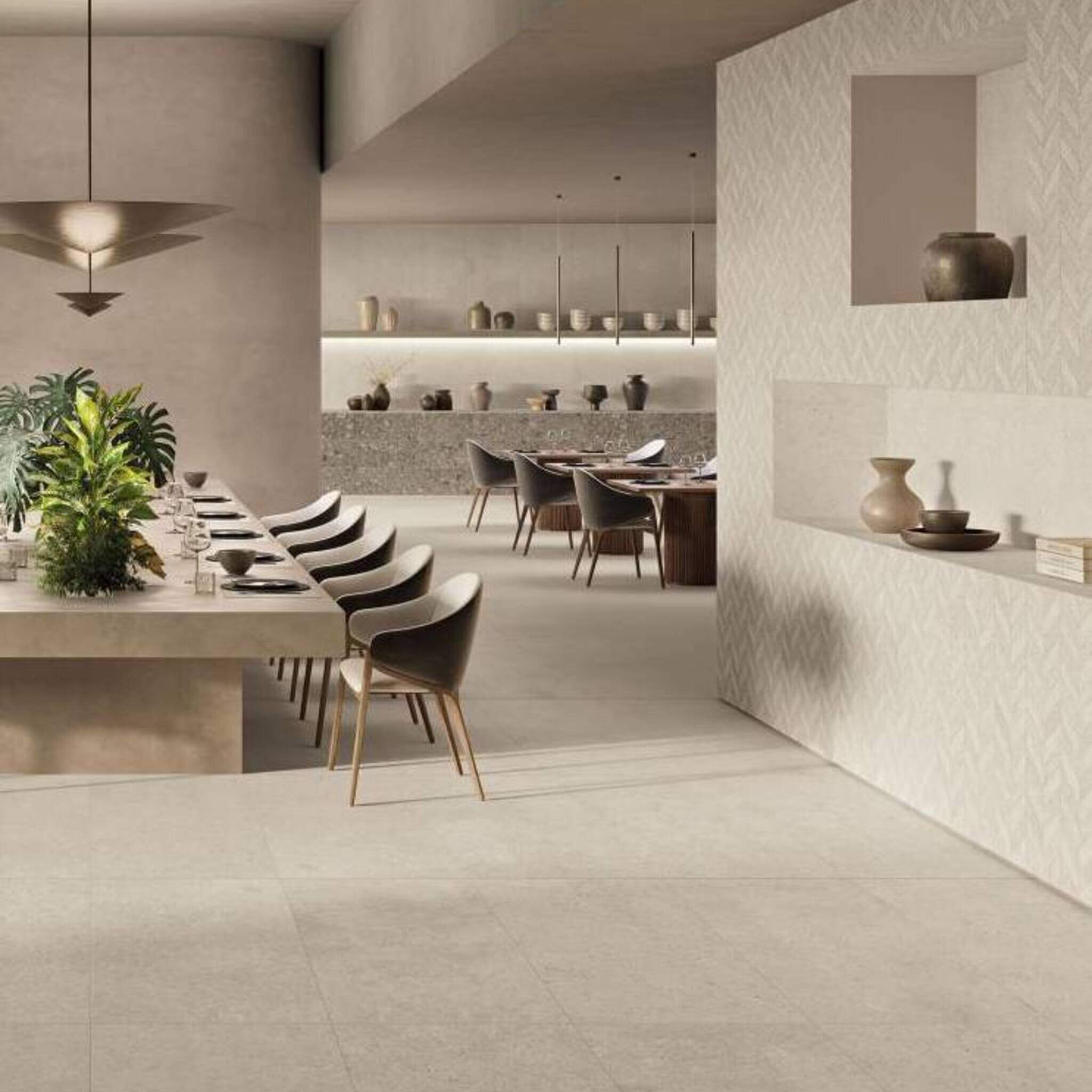
Ceramic tiles are made from natural clay mixed with minerals and water, shaped into tiles, and fired in a kiln at moderate temperatures. They are usually finished with a protective glaze that enhances their color, texture, and resistance to stains.
These tiles are lightweight, easy to install, and available in a wide variety of designs, patterns, and finishes, making them highly versatile for interior decoration. C
eramic tiles are commonly used on walls, kitchen backsplashes, and low-traffic flooring areas like bedrooms and bathrooms. However, due to their slightly porous nature, they may absorb moisture if not properly sealed.
See Our Recommended Ceramic Tiles:
Botanical Breeze Glossy Porcelain Wall Tile
Materici Argilla Glossy Porcelain Subway Tile
Calacatta Gold 12×24 Polished Porcelain Tile
What Are Vitrified Tiles?
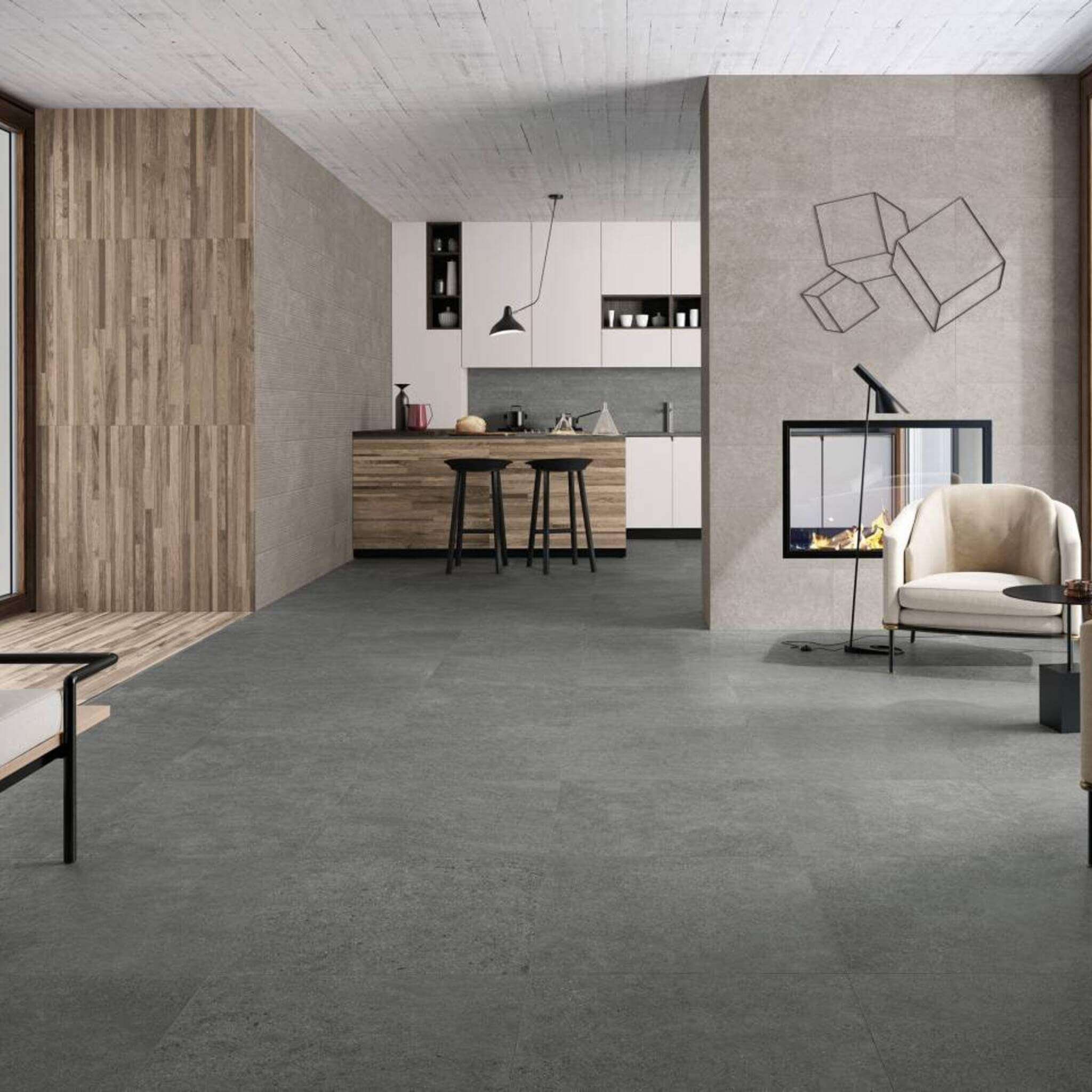
Vitrified tiles are engineered using a mixture of clay, silica, feldspar, and quartz, which are fused together at very high temperatures. This process creates a highly dense, glass-like surface that is extremely durable and non-porous. Vitrified tiles are known for their low water absorption rate, making them resistant to stains, moisture, and scratches.
They are ideal for high-traffic areas such as living rooms, hallways, commercial spaces, and even outdoor applications. Available in polished, matte, and textured finishes, vitrified tiles often mimic natural stone while offering superior performance and minimal maintenance.
Quick Tip: Planning a wall upgrade? Explore “Are Digital Wall Tiles Better Than Traditional Wall Tiles?” to compare design variety, finish quality, maintenance, and overall visual impact.
What Makes Ceramic and Vitrified Tiles Different from Each Other?
Ceramic and vitrified tiles differ primarily in how they are made and how they perform in real-world conditions. Ceramic tiles are produced using natural clay and fired at lower temperatures, which makes them slightly porous and less dense.
On the other hand, vitrified tiles are made by combining clay with silica, feldspar, and quartz, then fired at extremely high temperatures to create a dense, non-porous surface.
This difference in manufacturing gives vitrified tiles superior strength, water resistance, and durability. While ceramic tiles are more budget-friendly and design-oriented, vitrified tiles are built for performance and longevity.
Ceramic vs Vitrified Tiles
Related Articles:
5 Reasons to Choose Checkerboard Tile for Your Kitchen
3D Tiles vs Traditional Tiles: Which Should You Choose?
How to Choose the Perfect Tiles for Balconies?
Searching for Tiles That Match Your Style and Budget?
Finding the perfect tiles becomes easier when you have access to the right products and benefits in one place. At MMG Tile & Stone, you can explore a wide range of ceramic and vitrified tiles designed to suit every style and budget. Get started with $1 samples to confidently choose what fits your space, and enjoy flat-rate shipping for a smooth buying experience.
Take advantage of 10% OFF your first order and make your project more cost-effective without compromising on quality. For professionals, the MMG Trade Program offers exclusive discounts, free samples, a dedicated representative, and special pricing tailored for builders, contractors, and designers.
Whether you’re upgrading a single room or managing a large project, you’ll find reliable, stylish, and budget-friendly tile solutions all in one place.

Which Tile Is Easier to Maintain and Lasts Longer?
When comparing maintenance and longevity, vitrified tiles stand out due to their dense, non-porous structure. They resist stains, water, and scratches, making them easy to clean with minimal effort. Ceramic tiles, while also easy to maintain, may require occasional sealing and more careful cleaning, especially in moisture-prone areas.
Over time, ceramic tiles can show wear in high-traffic zones, whereas vitrified tiles maintain their finish and strength for longer periods. If you are looking for a hassle-free, long-term flooring solution, vitrified tiles are generally the more practical and durable choice.