


Choosing new flooring is exciting, but with so many options available, finding the right fit for your home can quickly become overwhelming. Two of the most popular choices homeowners consider are vinyl tile and ceramic tile. Both offer attractive designs, impressive durability, and excellent performance in high-traffic areas, making them top contenders for kitchens, bathrooms, living spaces, and even commercial environments.
At first glance, the differences may seem minor. However, factors such as cost, comfort, maintenance, lifespan, and installation requirements can have a significant impact on your overall satisfaction. While vinyl tile is often praised for its affordability and easy upkeep, ceramic tile is known for its timeless appeal and long-lasting durability.
This buying guide compares vinyl tile vs. ceramic tile, highlighting their key differences to help you choose the best flooring for your needs and budget.

What Is Vinyl Tile?
Vinyl tile is a versatile flooring option made from synthetic materials, primarily PVC (polyvinyl chloride). It is designed to replicate the appearance of natural materials such as stone, ceramic, and wood while offering a more affordable and low-maintenance solution.
Over the years, advancements in manufacturing have made vinyl tile one of the most popular flooring choices for homeowners and businesses alike. Modern vinyl tiles feature realistic textures, detailed patterns, and durable protective layers that help them withstand everyday wear and tear.
Key Features of Vinyl Tile
✔ Affordable Alternative: Provides the look of premium flooring materials without the high price tag.
✔ Water Resistant: Ideal for areas exposed to moisture, such as bathrooms, kitchens, laundry rooms, and basements.
✔ Comfortable Underfoot: Softer and warmer than many hard flooring surfaces, making it comfortable for daily use.
✔ Wide Design Variety: Available in numerous colors, patterns, sizes, and finishes to suit different interior styles.
✔ Easy Maintenance: Requires only regular sweeping and occasional mopping to maintain its appearance.
✔ Simple Installation: Many vinyl tile products feature click-lock or peel-and-stick systems for easier installation.
✔ Durable Surface: Resistant to everyday scratches, stains, and wear in most residential settings.
Common Applications of Vinyl Tile
Vinyl tile is commonly used in kitchens, bathrooms, laundry rooms, basements, entryways, and living rooms. For homeowners looking for a flooring solution that combines style, practicality, and value, vinyl tile remains one of the most attractive options on the market.

Quick Tip: Planning a tile installation project? Read “Average Tile Installation Cost Per Square Foot Explained“ to understand the factors that influence pricing, including tile type, labor costs, project size, and installation complexity, so you can budget more accurately for your renovation.
What Is Ceramic Tile?
Ceramic tile is a hard-surface flooring material made from natural clay and other raw materials that are shaped and fired at high temperatures. Known for its durability and timeless appeal, ceramic tile has been a popular flooring choice for homes and commercial spaces for decades.
Available in a wide variety of colors, patterns, sizes, and finishes, ceramic tile can complement both traditional and modern interior designs. Its strong, moisture-resistant surface makes it especially suitable for areas that experience frequent foot traffic or exposure to water.
Key Features of Ceramic Tile
✔ Highly Durable: Built to withstand heavy foot traffic and daily wear.
✔ Water Resistant: Suitable for bathrooms, kitchens, and other moisture-prone areas.
✔ Scratch and Stain Resistant: Maintains its appearance with proper care.
✔ Wide Range of Designs: Available in numerous styles, textures, and finishes.
✔ Low Maintenance: Easy to clean with regular sweeping and mopping.
✔ Long Lifespan: Can last for decades when properly installed and maintained.
✔ Adds Value: Often considered a premium flooring option that can enhance a property’s appeal.
Common Applications of Ceramic Tile
Ceramic tile is commonly used in kitchens, bathrooms, hallways, entryways, living areas, and commercial spaces. Its durability and classic appearance make it a preferred choice for both residential and high-traffic environments.

Have a Look at Our Ceramic Tiles:
Tint Blanc 2×6 Matte Ceramic Subway Wall Tile
Lagos Blue 2×10 Glossy Ceramic Wall Tile
Opal Ivory 3×12 Glossy Ceramic Subway Wall Tile
Superclassica Bloom Bianco 5×5 Glossy Ceramic Wall Tile
Vinyl Tile vs Ceramic Tile: Quick Comparison
Which Tile Is Right for Your Home?
The best tile for your home ultimately depends on your budget, lifestyle, and the specific needs of the space. While both vinyl tile and ceramic tile offer durability and style, each option excels in different areas.
✅ Vinyl tile is a great choice if you’re looking for an affordable, low-maintenance flooring solution that is comfortable underfoot and easy to install. It works particularly well in kitchens, bathrooms, laundry rooms, and other areas where moisture resistance is important.
✅ Ceramic tile, on the other hand, is ideal for homeowners who prioritize long-term durability, a premium appearance, and excellent resistance to scratches and wear. It is especially well-suited for high-traffic areas and spaces where lasting performance is a top priority.
Before making your decision, consider factors such as your budget, the room’s usage, expected foot traffic, maintenance preferences, and how long you plan to keep the flooring. Choosing the right tile isn’t just about appearance; it’s about finding the option that best fits your home and lifestyle.
Related Articles:
What Is the Difference Between Ceramic and Vitrified Tiles
Which Glossy Ceramic Tiles Suit Modern Interiors?
Ceramic vs. Porcelain Checkerboard Tiles – Which Is Better?
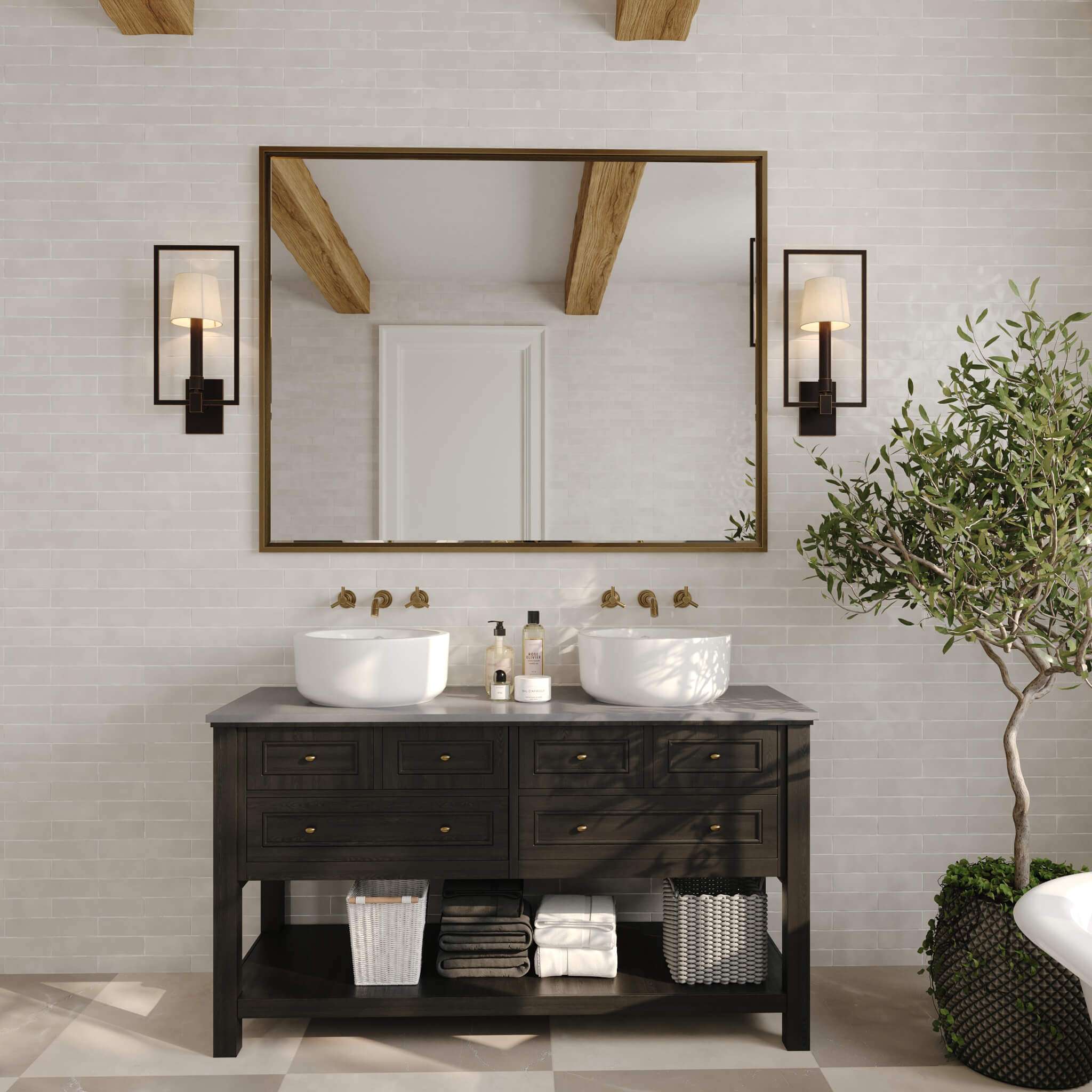
Still Not Sure Whether Vinyl Tile or Ceramic Tile Is Right for Your Home?
Choosing the right flooring can feel overwhelming, especially when both options offer unique benefits. If you’re still unsure which tile best suits your space, budget, and lifestyle, the experts at MMG Tile & Stone are here to help.
Explore our tile collection today and find the perfect option for your home or commercial space.