

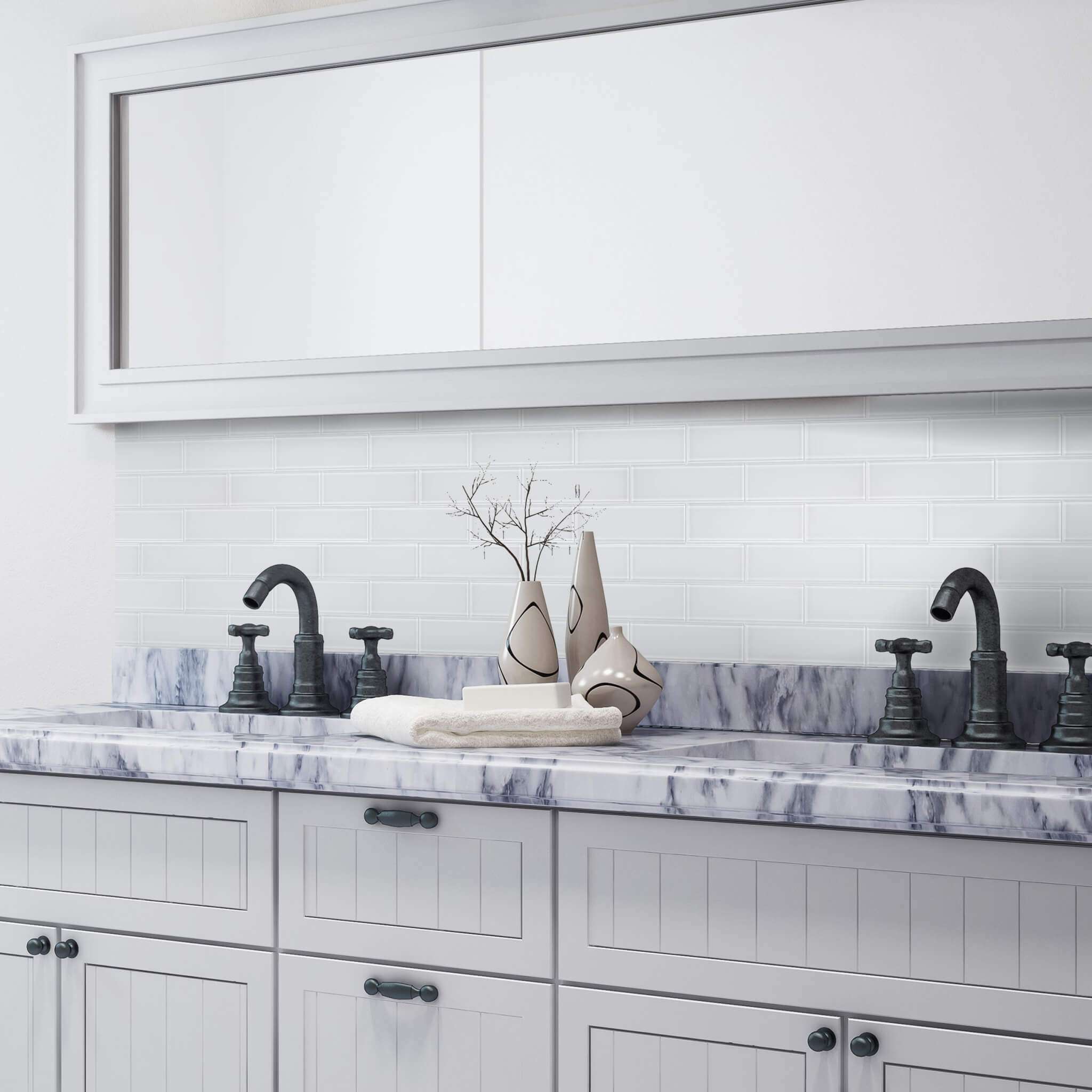
Glass mosaic tiles are one of those design elements that can completely change the mood of a space. They don’t just cover surfaces; they reflect light, add depth, and create visual movement that ordinary tiles often fail to deliver. That’s why you’ll find them in modern kitchens, luxury bathrooms, spa-style showers, and even high-end swimming pools.
But here’s the truth most people skip: glass mosaic tiles are not perfect for every situation. They look stunning, but they also come with practical limitations that can affect installation, maintenance, and long-term satisfaction.
So before you invest, it’s worth understanding both sides clearly.
What is Glass Mosaic Tile?
Glass mosaic tile is a decorative tile made from small pieces of glass arranged together in sheets or patterns. These tiny glass pieces are fixed on a mesh backing, which makes them easy to install on walls, floors, and curved surfaces.
They are known for their shiny, reflective surface that enhances light and makes spaces look brighter and more stylish. Because glass is non-porous, these tiles are also water-resistant and suitable for wet areas like bathrooms, kitchens, and swimming pools.
Glass mosaic tiles come in many colors, finishes, and designs, allowing creative patterns and modern decorative effects. In simple terms, they are small glass pieces used to create beautiful, glossy, and artistic surfaces in interior and exterior spaces.
Read Also: Why Are Glass Tiles a Smart Choice for Swimming Pools?
Pros of Glass Mosaic Tiles
1. Stunning Visual Appeal That Elevates Interiors
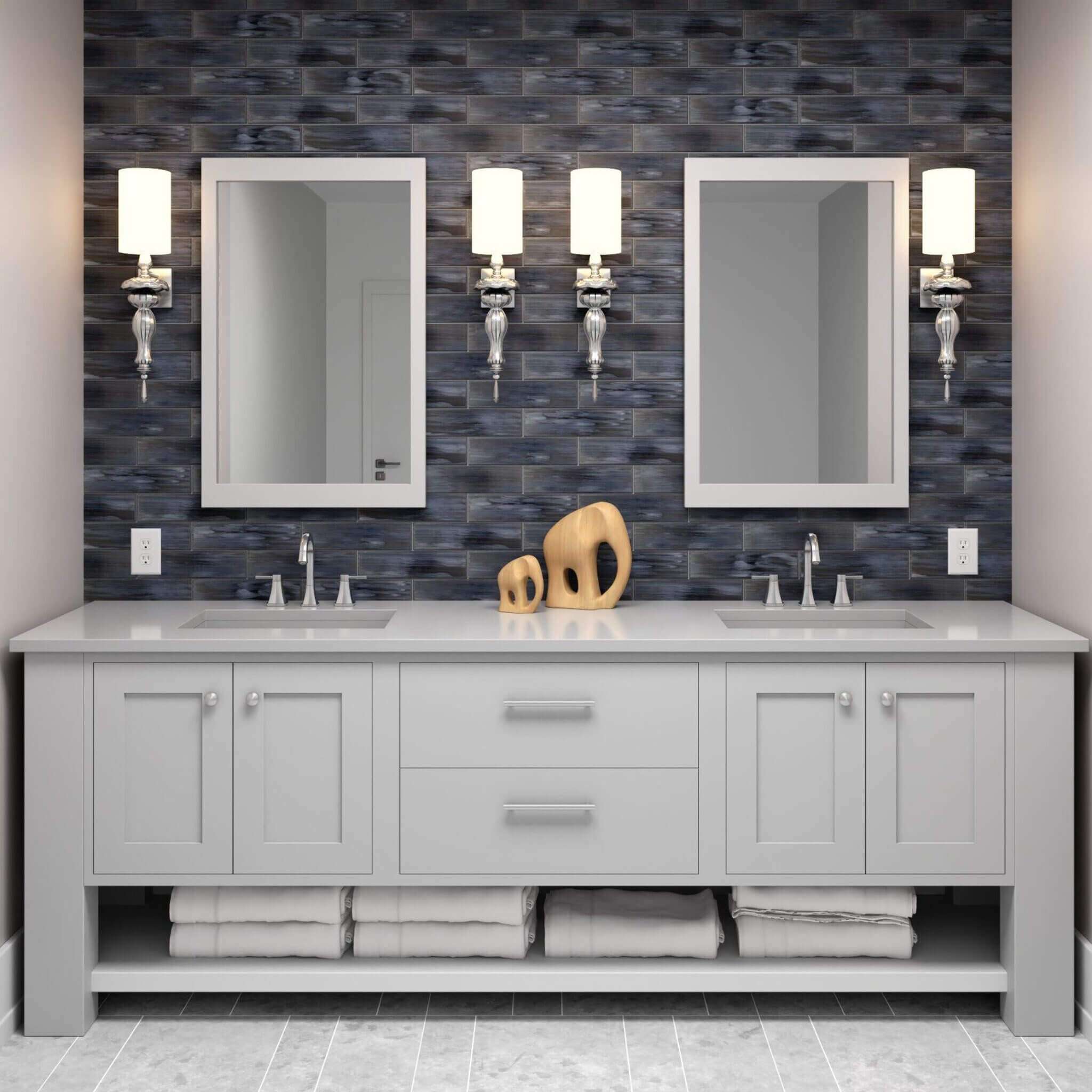
Mosaic glass tiles are primarily chosen for their appearance, and for good reason. They instantly add a premium and artistic feel to any surface. Even a small section, like a kitchen backsplash or bathroom niche, can become a visual highlight.
Their reflective nature creates depth and dimension, which makes spaces feel more dynamic instead of flat or boring.
2. Powerful Light Reflection and Space Enhancement
One of the most valuable benefits of glass mosaic tiles is how they interact with light. They reflect both natural daylight and artificial lighting, improving brightness in any room.
This reflection creates an illusion of space, making compact rooms feel more open and airy. In dim interiors, they help reduce darkness without requiring additional lighting fixtures.
3. Wide Range of Design Possibilities
Glass mosaic tiles are available in an almost endless variety of colors, shapes, and textures. You can choose subtle monochrome styles or bold, artistic combinations.
They can also be mixed with stone, metal, or ceramic pieces to create customized patterns. This makes them highly suitable for creative interior design projects where uniqueness matters.
👉 How to Pick the Best Tile for a High-Traffic Area?
4. Excellent Water and Moisture Resistance
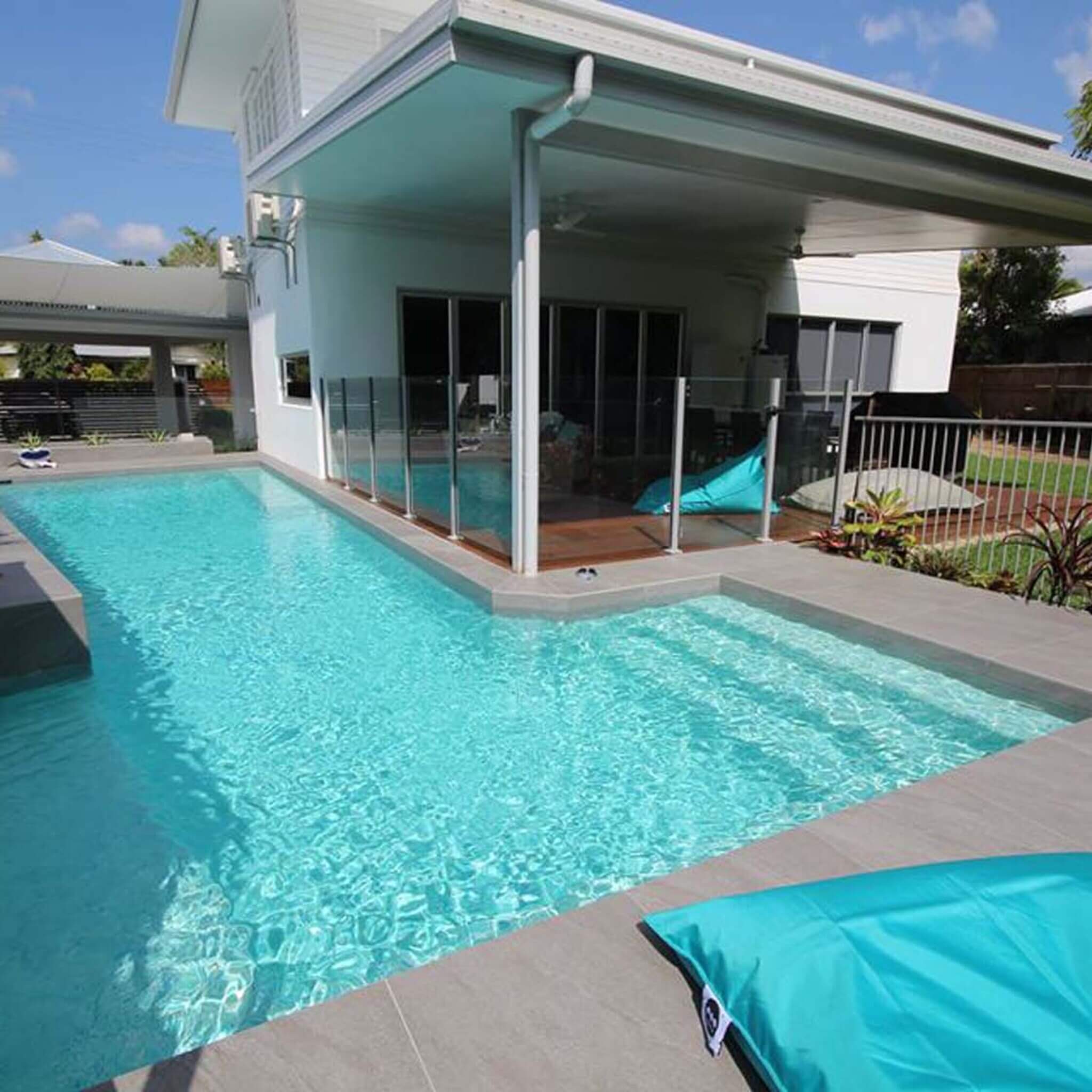
Since glass is non-porous, it does not absorb water at all. This makes mosaic tiles ideal for wet areas such as bathrooms, shower walls, kitchen backsplashes, pools, and spa zones. They also resist mold and mildew growth, which helps maintain hygiene and long-term cleanliness.
5. Easy Cleaning and Low Maintenance
Glass mosaic tiles are simple to maintain. Their smooth surface prevents dirt and stains from penetrating, so cleaning usually requires only mild soap and water. Unlike natural stone, they do not need sealing or special treatments, making them a practical long-term option for busy households.
6. Durable and Color-Stable Material
When installed properly, glass mosaic tiles are long-lasting and maintain their original color and shine for many years. They do not fade easily under sunlight or water exposure. They are also resistant to most household cleaning chemicals, which helps preserve their finish and appearance over time.
View Glass Mosaic Tiles
Seasons Herringbone Glass Mosaics
Random Strips Textured Glass Mosaics
Cons of Glass Mosaic Tiles
1. Higher Cost Compared to Standard Tiles
Glass mosaic tiles are usually more expensive than ceramic or porcelain tiles. Premium designs, imported collections, and artistic blends further increase the cost. Installation also adds to the expense because skilled labor is required for accurate alignment and finishing.

2. Requires Skilled Installation
Installing glass mosaic tiles is not a DIY-friendly task. Because they are often transparent or reflective, any uneven adhesive or improper alignment becomes visible after installation. Even small mistakes in spacing, leveling, or grouting can affect the final appearance. Professional installation is usually necessary.
3. Slippery When Used on Flooring
Glass mosaic tiles can become slippery when wet, which makes them less suitable for floors in bathrooms, pools, or outdoor areas unless specifically designed with anti-slip textures. For safety reasons, they are more commonly used on walls than on floors.
Quick Tip: Curious about upgrading your walls or floors? Check out “3D Tiles vs Traditional Tiles: Which Should You Choose?” to understand the differences in style, depth, maintenance, and the visual impact each option can bring.
4. Sensitive to Scratches and Impact
Although durable, glass surfaces can still be scratched by abrasive cleaning tools or damaged by heavy impacts. Dropping sharp or heavy objects may cause cracks or chips, especially on exposed edges.
5. Grout and Adhesive Visibility Issues
Because glass tiles can be translucent, the color of grout and adhesive may show through if not carefully selected. This can alter the final look of the installation, making color matching a very important step during planning.
6. Difficult Repairs and Replacement
If a single tile gets damaged, replacing it can be complicated. Since mosaics are installed in sheets, removing one piece without disturbing surrounding tiles requires skill and patience. This makes repairs more time-consuming compared to larger tile formats.
7. Not Suitable for Heavy Load Areas
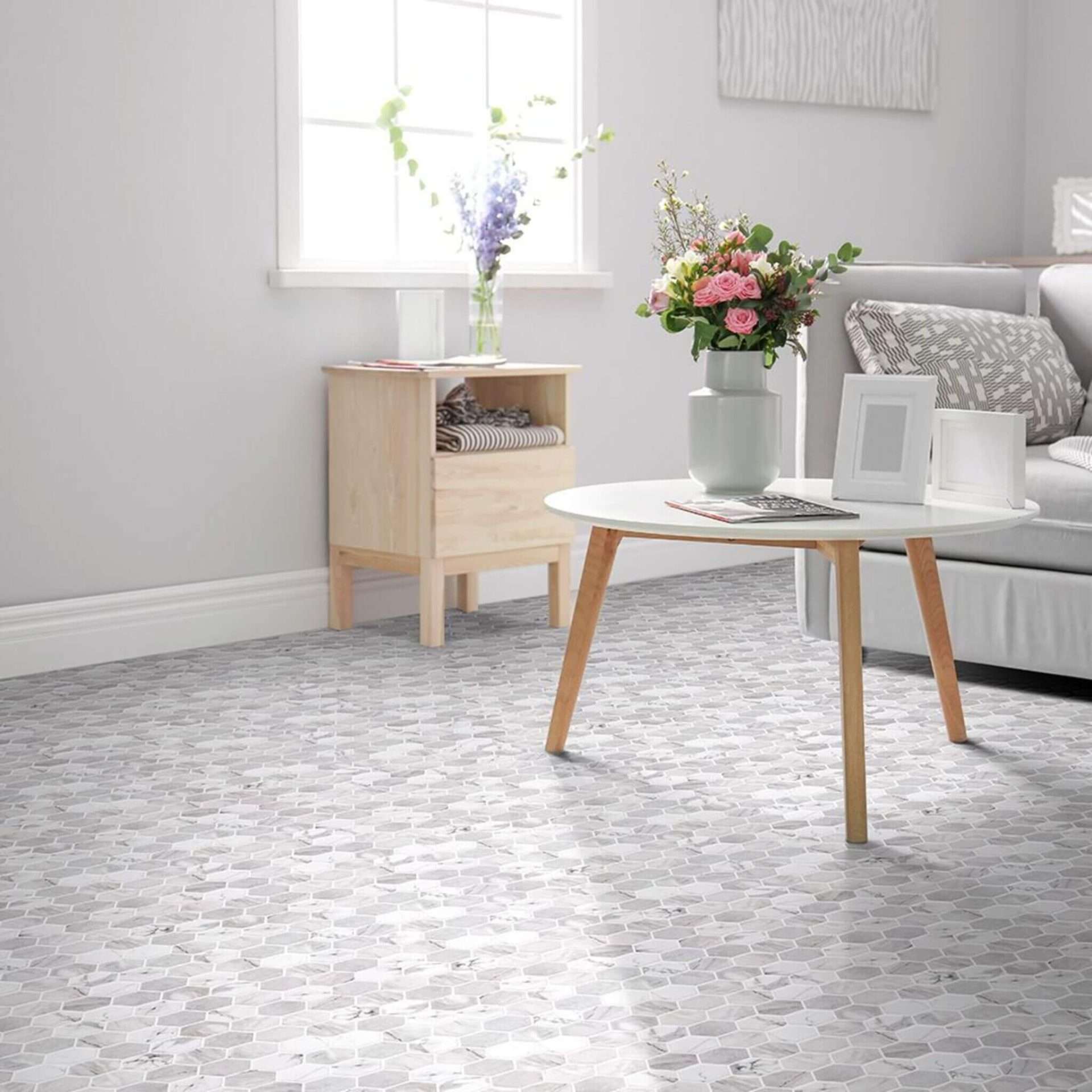
Glass mosaic tiles are not ideal for areas with heavy furniture movement, constant foot traffic, or rough usage conditions. They perform best in decorative or light-use environments where visual appeal is more important than structural load handling.
Check Out Glass Mosaic Tiles
Summer Triangles Glass Mosaics
Lanterna Waterjet Glass Mosaics
Where Glass Mosaic Tiles Work Best
To get the most out of glass mosaic tiles, it’s important to use them in the right spaces. These tiles work best in areas where design, light reflection, and moisture resistance matter more than heavy-duty use. When placed correctly, they can instantly uplift the overall look of a space.
Some ideal applications include:
✔ Kitchen backsplashes for a stylish and modern look
✔ Bathroom walls and shower areas
✔ Swimming pools and spa areas
✔ Accent walls in living rooms or bedrooms
✔ Decorative borders and artistic installations
In these areas, their beauty and reflective qualities truly stand out, making even simple spaces feel more elegant and visually rich.
Related Articles:
Quartz vs Granite vs Marble: Complete Buyer Guide
Are Digital Wall Tiles Better Than Traditional Wall Tiles?
Which type of tile is best for basement floors?

Need Expert Help With Tile Selection? Talk to Us
Choosing the right tile can be confusing with so many styles, materials, and finishes available. At MMG Tile & Stone, we not only help you select the perfect tiles but also provide a wide range of high-quality tiles, including glass mosaics, natural stone, and modern surface finishes.
Our team guides you based on your space, design preference, budget, and long-term durability needs. Whether it’s a kitchen, bathroom, or full home renovation, we make the selection process simple and stress-free. With both expert advice and reliable tile supply, you get everything in one place, saving time and avoiding confusion.