


Choosing the right pavers can have a major impact on how an outdoor space looks, performs, and holds up over time. From residential patios and pool decks to commercial walkways and outdoor gathering areas, pavers need to match both the design and the demands of the space.
With options available in porcelain, concrete, natural stone, and other materials, selecting the right product can feel overwhelming. The key is to look beyond color and style and consider factors such as durability, traffic, weather exposure, slip resistance, size, finish, and maintenance.
Whether you are designing a private outdoor space or specifying materials for a larger commercial project, understanding these factors can help you make a more confident selection.
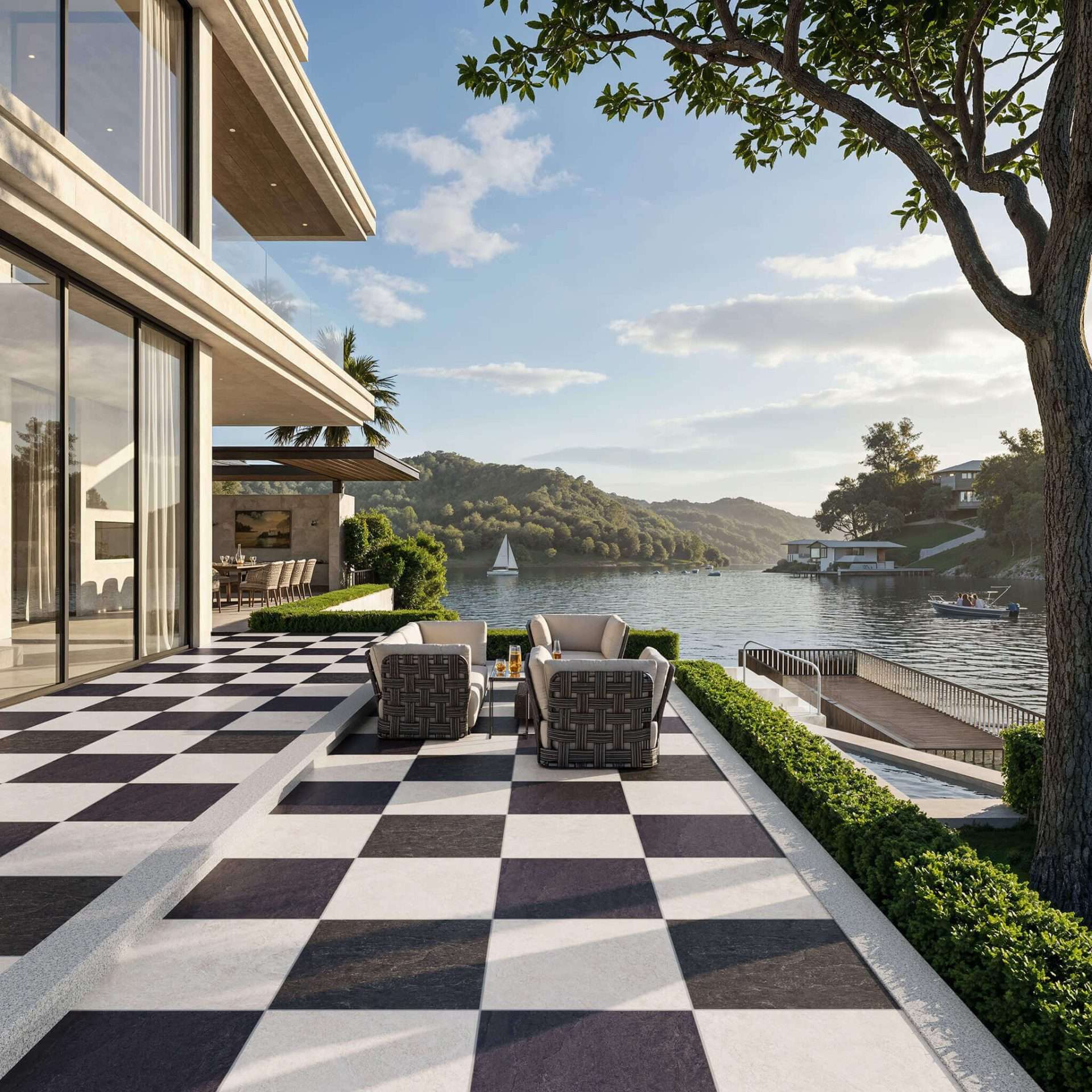
Consider the Intended Application
Start by identifying where and how the pavers will be used. A residential walkway has different requirements than a commercial entrance or vehicle-access area. The application helps determine the right material, durability, safety, and design.
For residential projects, pavers may be used for:
✔ Patios
✔ Walkways
✔ Pool decks
✔ Driveways
✔ Garden paths
✔ Outdoor entertaining areas
Commercial applications can include:
✔ Restaurant patios
✔ Hotel terraces
✔ Retail entrances
✔ Courtyards
✔ Pedestrian walkways
✔ Pool and hospitality areas
The expected use should guide the choice of material, thickness, surface texture, and performance characteristics.
Note: Choose commercial building tiles based on the traffic, location, durability needs, maintenance requirements, and desired appearance to ensure the right balance of performance and design.
Select Pavers for the Right Traffic Level
Traffic levels can affect how well pavers perform over time. Residential areas typically have lighter use, while commercial spaces may experience frequent foot traffic throughout the day.
For busy areas, choose pavers designed to handle regular use and resist visible wear. Driveways and frequently used outdoor spaces may also require stronger, more durable options.
Selecting pavers according to the expected traffic helps support long-term performance and maintain the appearance of the space.
Choose the Right Paver Material
The right paver material can influence the durability, appearance, maintenance, and overall performance of an outdoor space. Consider the project’s location, usage, design, and performance requirements before making a selection.
Porcelain Pavers
Porcelain pavers offer low water absorption, durability, and a wide range of designs. They can replicate the appearance of natural stone, concrete, and other materials, making them suitable for residential and commercial outdoor spaces.
Concrete Pavers
Concrete pavers are available in various colors, shapes, sizes, and patterns. Their versatility makes them a practical choice for patios, walkways, driveways, courtyards, and other outdoor areas.
Also Read: Porcelain Pavers vs Concrete Pavers: Which Is Worth It?
Natural Stone Pavers
Natural stone pavers offer unique colors, textures, and natural variations. Options such as bluestone, limestone, quartzite, travertine, basalt, and shellstone can add distinctive character to patios, pool areas, walkways, and other outdoor spaces.
Paver options can include: Bluestone, Limestone, Quartzite, Travertine
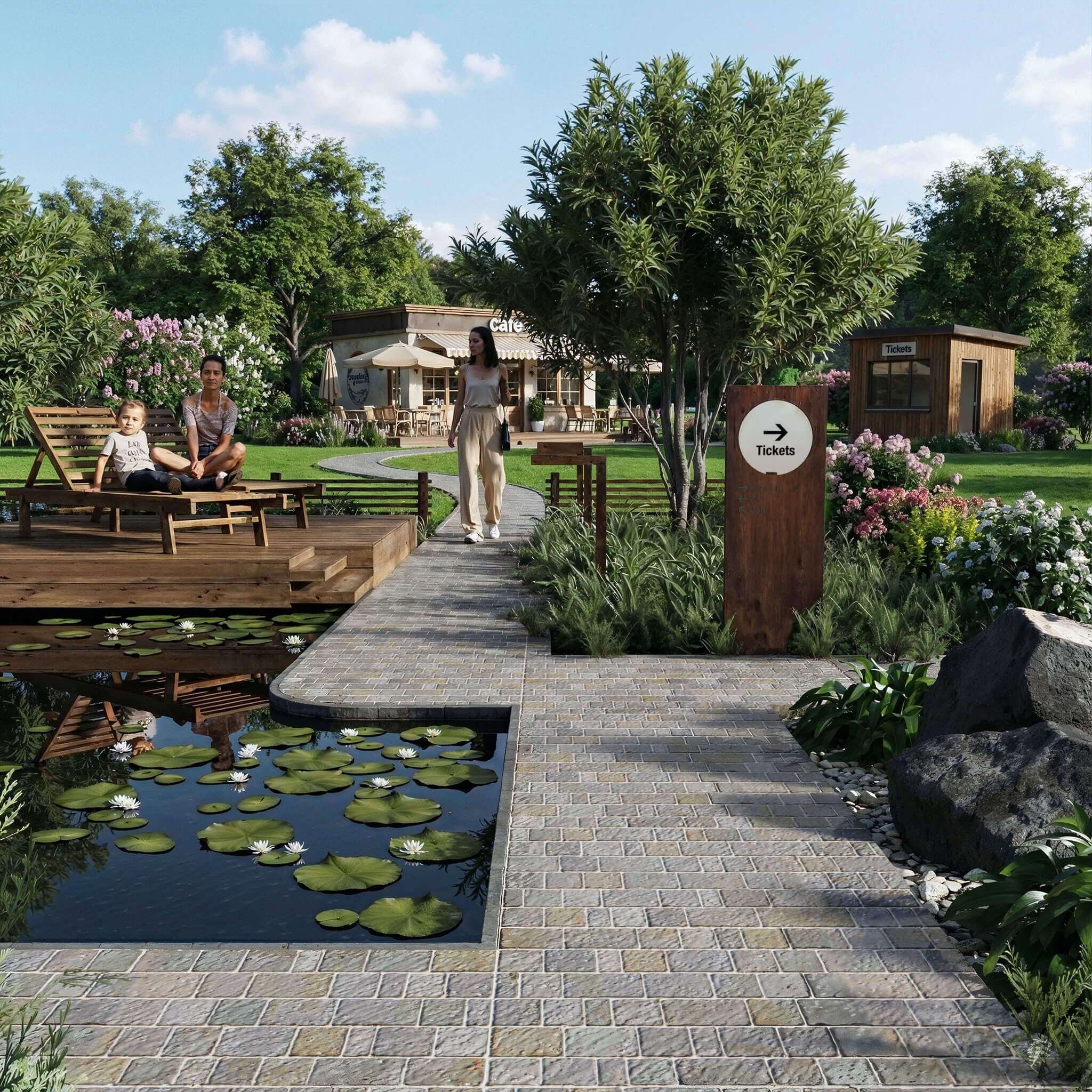
Consider Slip Resistance When Choosing Pavers
Safety is an important consideration when selecting pavers, particularly for areas exposed to water. Pool decks, patios, walkways, and outdoor entrances need surfaces that provide suitable traction when wet.
Look for pavers with an appropriate R rating, which indicates slip resistance. R9 is generally suitable for areas with lower slip requirements, while R11, R12, and R13 provide progressively higher levels of slip resistance for areas where greater traction is needed.
For example, R11 pavers are commonly considered for pool decks and other outdoor areas where water exposure is expected. The right rating should always be selected based on the project’s specific conditions and intended use.
For commercial spaces, choosing suitable slip resistance is especially important because these areas may experience frequent pedestrian traffic and regular exposure to moisture.
Shop Pavers for Residential & Commercial Projects
Find pavers for patios, pool areas, walkways, driveways, courtyards, and commercial outdoor spaces. MMG Tile & Stone offers porcelain pavers, travertine, limestone, bluestone, quartzite, basalt, and shellstone in a range of colors, textures, and finishes.
Not sure which material fits your project? Order $1 samples to see your preferred options before buying. Building or designing professionally? The MMG Trade Program includes free samples, dedicated representatives, and discounted pricing.
Browse MMG Tile & Stone’s paver collection and find the right material for your project.
What Paver Size Should You Choose?
Paver size can influence the overall look and layout of your outdoor space. Common options include 12×12, 24×24, 24×48, and plank-style formats.
12×12 pavers work well for smaller patios, walkways, borders, and traditional layouts. 24×24 pavers create a more open, balanced appearance and are suitable for patios, pool decks, courtyards, and larger outdoor areas. 24×48 pavers provide a bold, large-format look that works particularly well for spacious patios, terraces, and contemporary commercial spaces.
The right size depends on the dimensions of the area, desired layout, and overall design. For larger spaces, larger formats can create fewer visual joints, while smaller formats can provide more flexibility for detailed patterns and compact areas.
Residential vs. Commercial Paver Selection
Related Articles:
Why Are Porcelain Pavers Perfect for Farmhouse Living?
5 Reasons Travertine Pavers Are Perfect for Outdoor Spaces
Benefits of Using Bluestone Porcelain Pavers for Outdoor Spaces
Final Thoughts
Selecting the right pavers is about finding a balance between appearance, performance, and the specific needs of the space. Residential and commercial projects can have very different requirements, so the same paver may not be the right choice for both.
Consider how the area will be used, the amount of traffic it will receive, exposure to weather and moisture, safety requirements, and the level of maintenance you are comfortable with. From porcelain and concrete to natural stone options, comparing these factors can help you choose pavers that look right and perform well for years to come.