


Ceramic tile is one of the most popular flooring and wall materials for homeowners because it offers durability, style, and long-lasting value. Available in a variety of colors, sizes, and finishes, it works well in kitchens, bathrooms, entryways, and other high-traffic areas. Its easy maintenance and attractive appearance make it a practical choice for many renovation projects.
Before starting a tile installation project, it’s important to understand the costs involved. The total price can vary based on factors such as the size of the space, the type of ceramic tile selected, installation complexity, floor preparation and local labor rates.
In this guide, we’ll break down the average cost of ceramic tile installation, the factors that affect pricing, and what you should consider when planning your budget.

Average Cost to Install Ceramic Tile
The cost of ceramic tile installation typically includes materials, labor, and any preparation work required before installation. While prices vary based on your location, the type of tile, and the scope of the project, the estimates below provide a general pricing guide. Understanding the labor cost to install ceramic tile can also help you estimate your overall project budget more accurately.
Keep in mind that these are average estimates. Premium ceramic tiles, custom installation patterns, large-format tiles, or additional preparation work can increase the overall project cost.
Factors That Affect Ceramic Tile Installation Cost
The total cost of installing ceramic tile can vary from one project to another. Several factors influence the final price, from the type of tile you choose to the amount of preparation required before installation.
1. Tile Quality
Ceramic tiles are available at a wide range of price points. Standard glazed tiles are typically the most affordable, while premium finishes, decorative designs, and specialty collections generally cost more.
2. Project Size
The size of the installation area directly affects the total cost since larger spaces require more tiles, grout, and labor. However, some installers may offer lower per-square-foot rates for larger projects.
3. Installation Pattern
A standard straight-lay pattern is usually the most budget-friendly option. More intricate layouts, such as herringbone, chevron, diagonal, or basketweave patterns, require additional measuring, cutting, and installation time, which increases labor costs.
4. Surface Preparation
The condition of the existing floor plays an important role in installation costs. If the subfloor requires leveling, repairs, moisture protection, or old flooring removal, these additional services will add to the overall project expense.

5. Tile Size
Tile size also affects installation costs; large-format tiles require a flatter subfloor and precise placement, while smaller tiles take longer due to more grout lines.
6. Grout and Finishing
The type of grout, grout color, trim pieces, transition strips, and any sealing or finishing work can also impact the final installation price. Choosing premium finishing materials may increase the overall cost.
Room-Specific Factors That Impact Cost
The cost of installing ceramic tile can also vary depending on the room. Factors such as the size of the space, the number of obstacles, and the complexity of the layout all affect the overall installation cost.
1. Kitchen
Kitchen tile installation often requires extra cutting around cabinets, islands, appliances, and plumbing connections. These additional cuts can increase labor time and the overall installation cost.
2. Bathroom
Bathrooms typically have smaller floor areas but involve more detailed work around toilets, vanities, showers, tubs, and drains. Waterproofing requirements may also add to the total project cost.

3. Living Room
Living rooms usually have large, open floor plans that allow for faster installation with fewer cuts. However, decorative layouts, borders, or large-format tiles can increase labor costs.
4. Entryways and Hallways
Entryways and hallways often require precise cuts around door frames, thresholds, and corners. Narrow layouts and multiple transitions between rooms can make installation more time-consuming.
Need Help Choosing the Right Ceramic Tile?
Selecting the perfect tile is just as important as planning your installation budget. At MMG Tile & Stone, you’ll find a wide selection of high-quality ceramic tiles in various colors, sizes, styles, and finishes to suit kitchens, bathrooms, living spaces, and more. Whether you’re updating a single room or planning a complete renovation, our collection makes it easy to find the perfect tile for your project.
Browse our ceramic tile collection, order $1 samples to compare your favorite options at home, and choose with confidence before you begin your installation.
How to Save Money on Ceramic Tile Installation
You can keep ceramic tile installation costs under control by planning your project carefully and making informed decisions. Here are a few practical ways to save money:
✅ Choose standard ceramic tiles instead of premium or custom designs, as they are generally more affordable.
✅ Select a simple installation pattern, such as a straight lay, to reduce labor costs.
✅ Compare quotes from multiple installers to find competitive pricing and quality service.
✅ Prepare the installation area by moving furniture and clearing the space before work begins.
✅ Buy all your tiles at once, including an extra 5% to 10% for cuts and future repairs, to avoid mismatched replacements later.
✅ Install tile during a larger renovation project if possible, as bundling services may help reduce overall labor costs.
Related Articles:
Vinyl Tile vs. Ceramic Tile: A Buying Guide
Which Tile Options Are Best for the Rooftop
How Much Does It Cost to Tile a Bathroom Floor
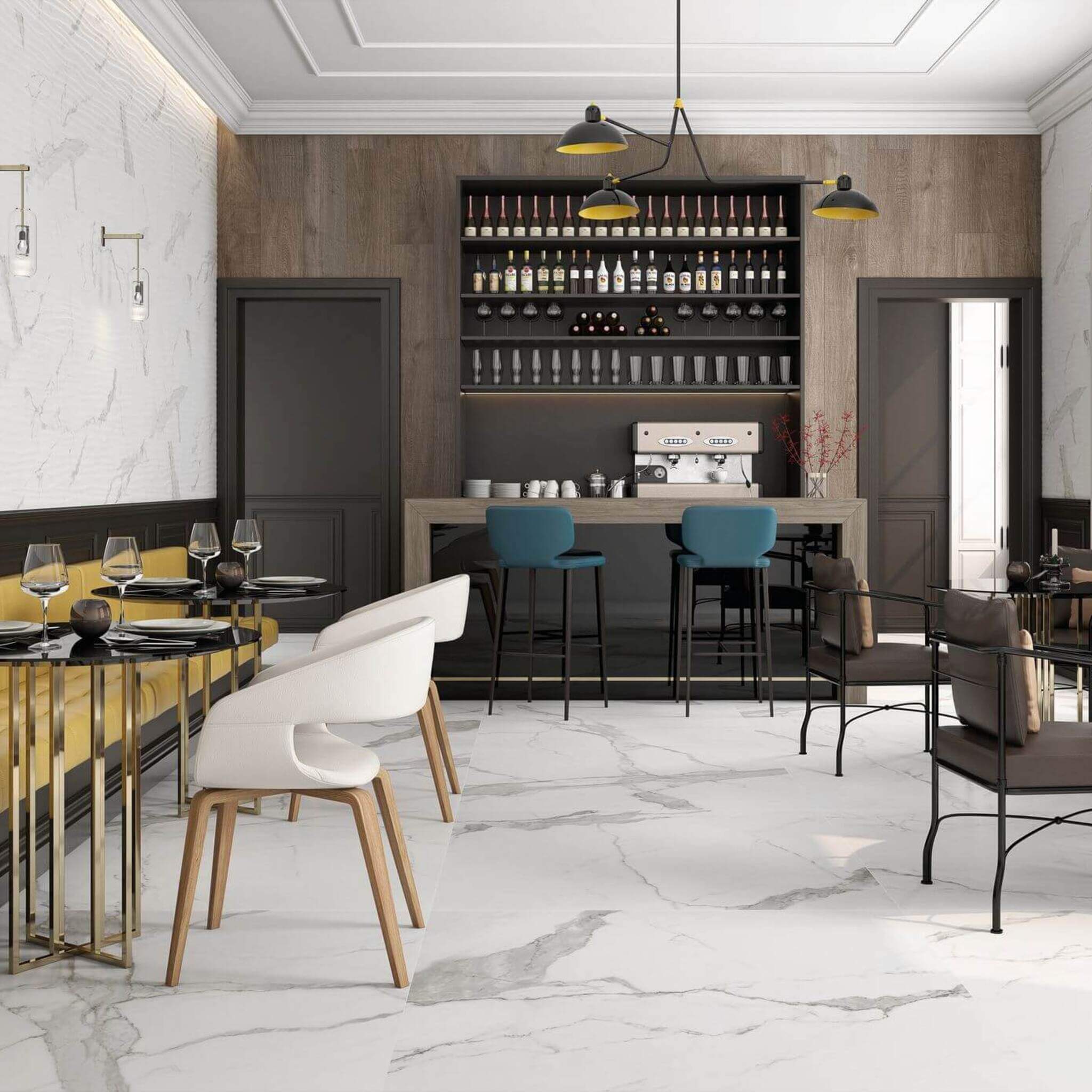
Estimating the Cost of Ceramic Tile Installation
Estimating your budget before installation can help you plan your project more effectively. Start by calculating the total square footage, then estimate the cost of materials, labor, and any additional services such as floor preparation or old flooring removal.
Estimated Cost = (Square Footage × Material Cost) + (Square Footage × Labor Cost) + Additional Costs
Keep in mind that this is only a general estimate. Requesting a detailed quote from a professional installer will give you the most accurate project cost.
Conclusion
The cost of installing ceramic tile can vary depending on the type of tile, the size of the project, labor rates, and any additional preparation required. Understanding these cost factors helps you avoid unexpected expenses and make confident decisions throughout your installation project.
Whether you’re updating a single room or completing a larger renovation, investing in quality materials and professional installation can help ensure a durable, attractive finish that adds lasting value to your home.