


Tiles are no longer just about covering surfaces; they’re about creating experiences. The smooth marble-look tiles that make your living room glow with elegance may not survive a single monsoon season outdoors, while the rugged outdoor pavers that can handle rain and sunlight might feel too coarse for your indoor floors.
So, what really makes indoor and outdoor tiles different? At first glance, they might look similar; both come in stunning finishes, countless designs, and durable materials. But beneath the surface lies a world of technical differences that decide where they truly belong.
Whether you’re planning to renovate your living room, design a patio, or create a seamless indoor-outdoor flow, understanding these differences will help you choose tiles that not only look great but also last long and perform well in their environment.
What Sets Indoor and Outdoor Tiles Apart
While indoor and outdoor tiles may appear alike, they are designed with distinct purposes in mind. Indoor tiles focus on comfort, aesthetics, and easy upkeep, making them perfect for living rooms, kitchens, and covered spaces. In contrast, outdoor tiles are engineered to withstand weather changes, temperature shifts, moisture, and heavy foot traffic.
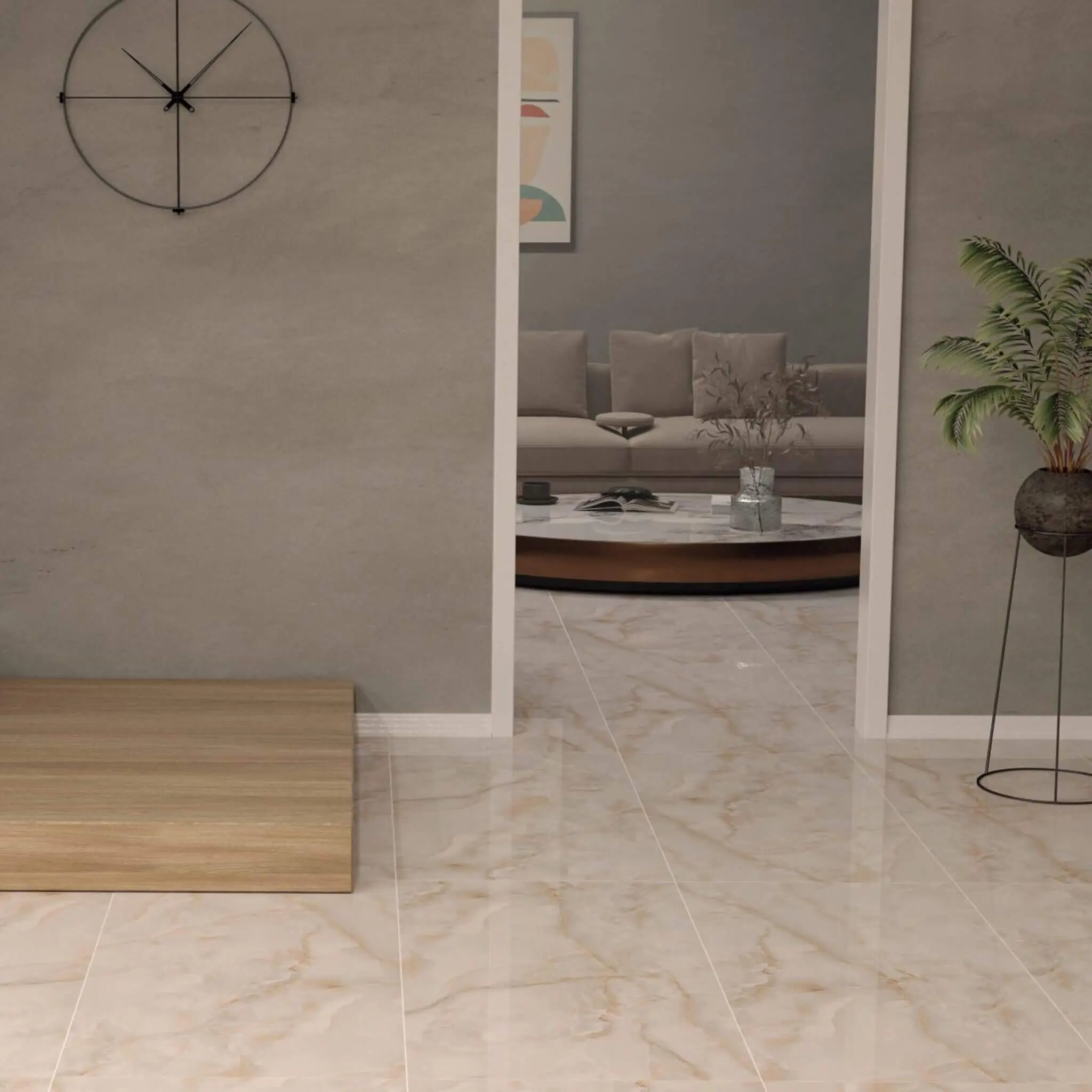
Their textures, finishes, and materials are engineered to provide extra grip, strength, and durability in open spaces. Here’s an in-depth look at the real distinctions between indoor and outdoor tiles, from design to durability, texture, slip resistance, and more.
1. Understanding the Purpose: Function Comes First
The first thing to remember is that tiles are designed with function in mind. Indoor and outdoor tiles serve different purposes because they face different challenges.
✔ Indoor tiles are made for comfort, aesthetics, and ease of maintenance. They usually live in temperature-controlled environments, free from harsh weather, sunlight, or moisture extremes. These tiles enhance the beauty of interiors, offering smooth finishes that complement home décor while providing a comfortable surface underfoot.
✔ Outdoor tiles, on the other hand, need to withstand rain, sun, frost, heat, and even moss growth. They must handle foot traffic, vehicles (in driveways), and slippery conditions. Designed for durability, outdoor tiles maintain their texture and color despite constant exposure to natural elements.
In short, indoor tiles focus more on design and feel, while outdoor tiles prioritize strength and safety.
👉 Pro Tip: The denser the tile, the better it can resist outdoor stress and environmental impact. That’s exactly why outdoor-grade porcelain tiles have become a modern favorite, gradually replacing traditional stone in contemporary homes for their balance of style, strength, and low maintenance.
2. Water Absorption and Weather Resistance
Water absorption is a crucial factor that determines tile durability outdoors. It directly affects how well a tile can withstand moisture, temperature changes, and long-term wear.
✔ Indoor Tiles: Can afford to have slightly higher porosity because they aren’t exposed to constant moisture. Since indoor environments are generally dry and protected, tiles here focus more on design, comfort, and finish rather than weather resistance. Proper sealing, however, can further enhance their lifespan in humid areas like bathrooms and kitchens.
✔ Outdoor Tiles: Must have a very low water absorption rate (usually below 0.5%). This prevents cracking during freezing or rainy conditions. These tiles are also built to resist fading, erosion, and expansion caused by extreme weather shifts. Their dense structure ensures stability even in constantly wet or exposed environments.
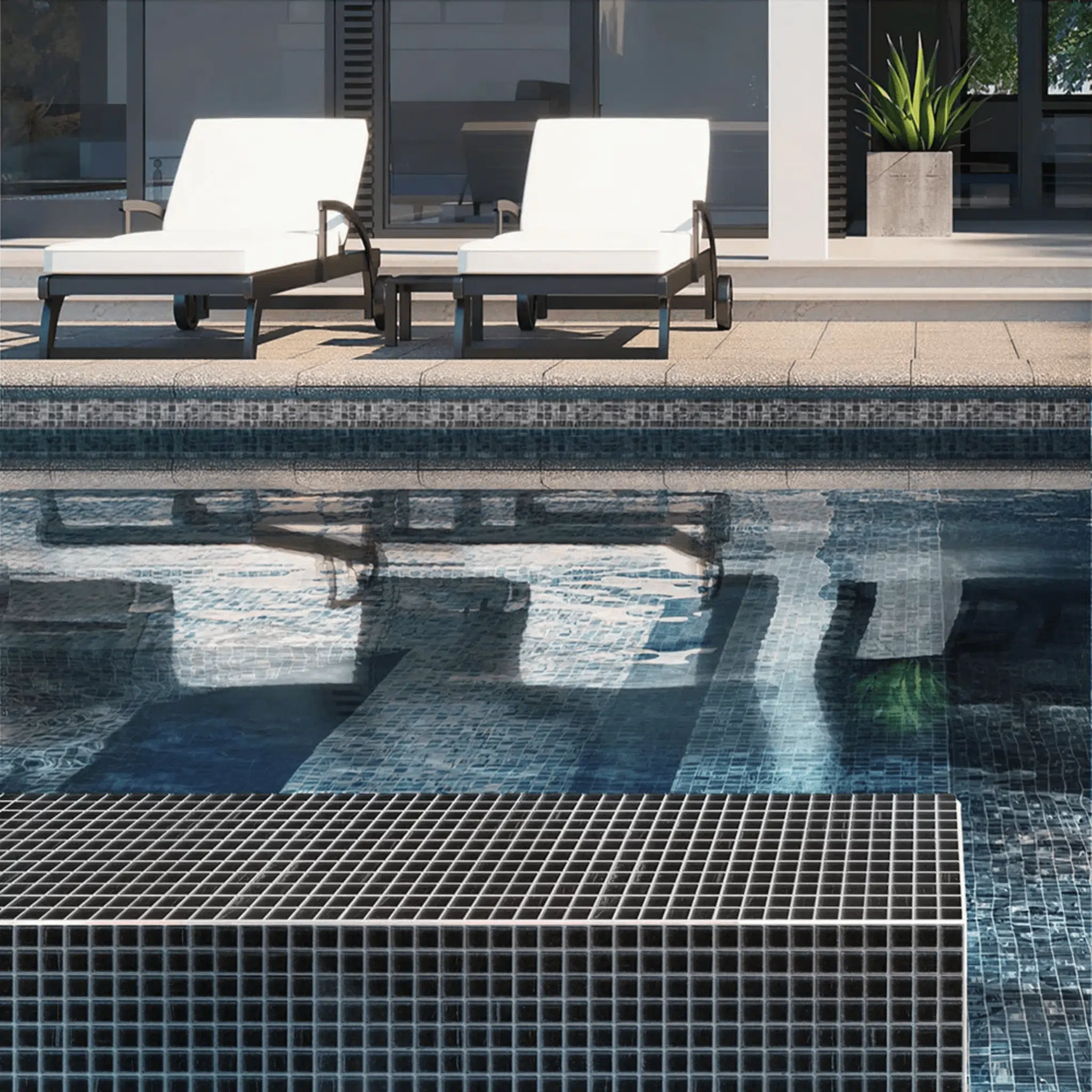
Porcelain outdoor tiles are the best example; their vitrified structure makes them nearly waterproof, ideal for gardens, terraces, driveways, and pool decks.
3. Slip Resistance
Slip resistance is a vital safety factor, especially in areas prone to water, humidity, or heavy foot traffic. It’s measured using an “R” rating (ranging from R9 to R13), which indicates how much grip a tile provides underfoot. The higher the number, the more slip-resistant the surface.
✔ Indoor tiles generally have smoother finishes that are comfortable underfoot and visually elegant. They’re ideal for dry spaces like bedrooms, living rooms, and hallways where slip risk is minimal. Most indoor tiles fall under R9–R10 ratings, which offer moderate grip while maintaining a sleek appearance suitable for everyday use.
✔ Outdoor tiles are engineered with rougher, more textured surfaces to prevent slipping, even when wet or muddy. They are designed to handle moisture, temperature changes, and heavy use in spaces like patios, pool decks, garden paths, and driveways. These tiles typically have R11–R13 slip ratings, meaning they provide high traction and excellent stability in wet or uneven conditions.
Always check the R-rating when choosing outdoor tiles; it ensures long-term safety, stability, and comfort for your family and guests, regardless of weather or moisture.
4. Maintenance & Longevity
Maintenance is crucial for preserving the appearance and performance of your tiles. Since indoor and outdoor environments face different challenges, the cleaning and care routines vary significantly.
✔ Indoor Tiles: Require minimal maintenance and are generally easy to clean with mild detergents or pH-neutral cleaners. Regular sweeping or mopping helps prevent dust buildup, while polished surfaces may need occasional buffing or re-sealing to maintain their glossy finish. Because they’re protected from harsh elements, indoor tiles tend to retain their color and smoothness for years with minimal effort.
✔ Outdoor Tiles: Face constant exposure to dirt, rain, and sunlight, so they demand a bit more attention. Regular cleaning helps remove debris, algae, or moss that can make surfaces slippery. Periodic sealing of natural stone tiles or occasional pressure washing can preserve both their appearance and safety. It’s also recommended to check grout lines and reseal them every few years to prevent moisture penetration.
👉 Longevity: High-quality porcelain outdoor tiles can easily last over 20 years without significant fading, chipping, or damage. Similarly, well-maintained indoor tiles can last for several decades, maintaining their original finish and charm. With proper care, both types of tiles remain beautiful, durable, and functional for generations.
Choosing the Right Tile: Indoor vs Outdoor
Picking the right tile depends on where you plan to use it. Indoor and outdoor tiles may appear similar, but their performance and durability differ greatly. Knowing these basic distinctions helps you choose the right tile for long-lasting beauty and safety.
Make Every Space Shine with the Right Tile
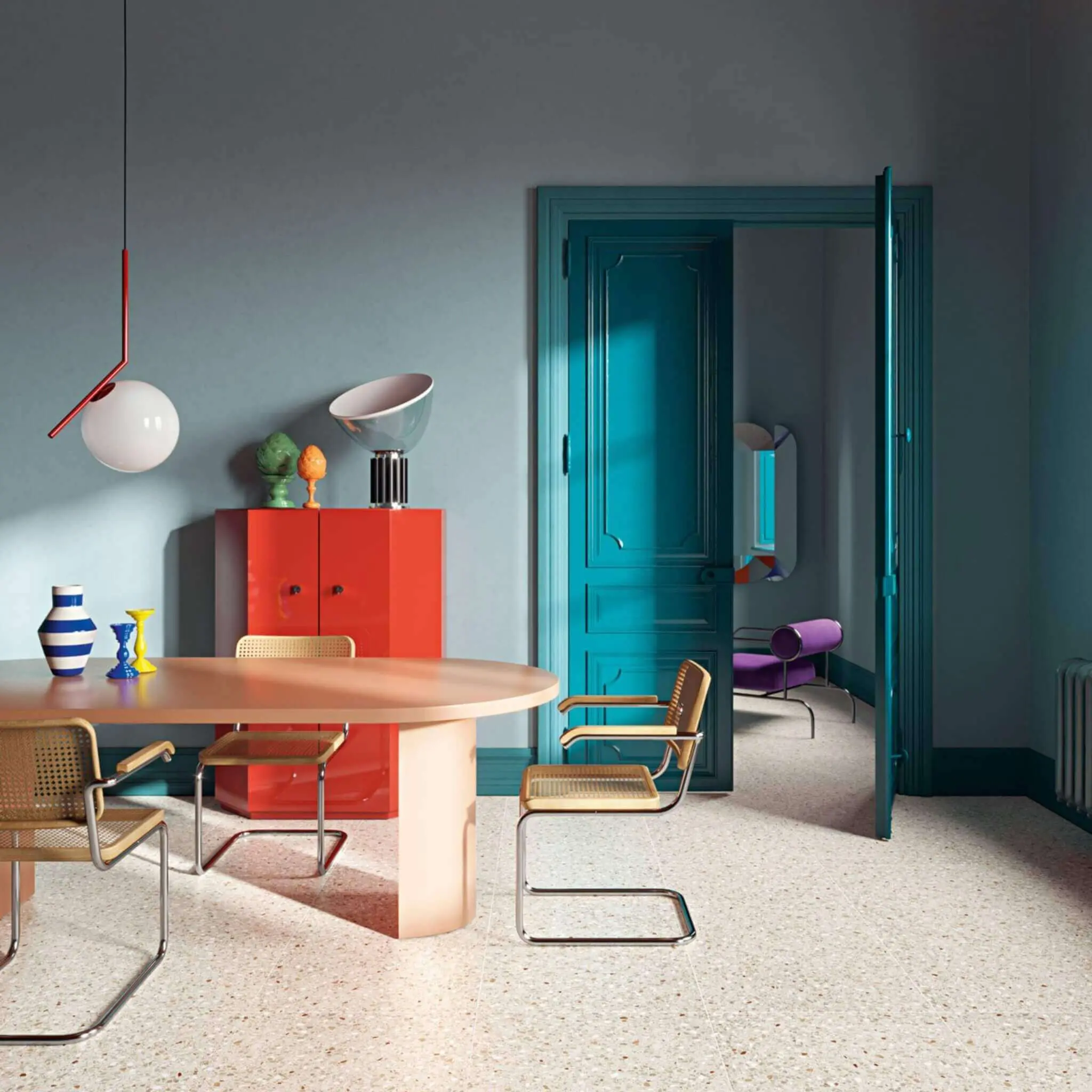
Indoor and outdoor tiles define how every space feels and functions. Indoor tiles bring warmth, elegance, and style to your interiors, while outdoor tiles offer strength, slip resistance, and durability for all weather conditions. Together, they create a seamless balance of beauty and performance.
MMG Tile & Stone provides a wide selection of indoor and outdoor tiles designed to enhance both comfort and character. From polished finishes for modern interiors to textured surfaces built for outdoor resilience, each tile reflects quality, innovation, and timeless design.
Find the perfect tile for your home with MMG Tile & Stone and let every space shine inside and out.