

Choosing the right natural stone can make a big difference in the appearance, durability, and maintenance of your space. Two materials that are often compared are dolomite and marble.
At first glance, they can look very similar, but they have distinct characteristics that affect how they perform in kitchens, bathrooms, fireplaces, and other interior applications.
If you’re planning a renovation or selecting stone for a new project, understanding the difference between marble and dolomite will help you make a confident decision.
What Is Dolomite?
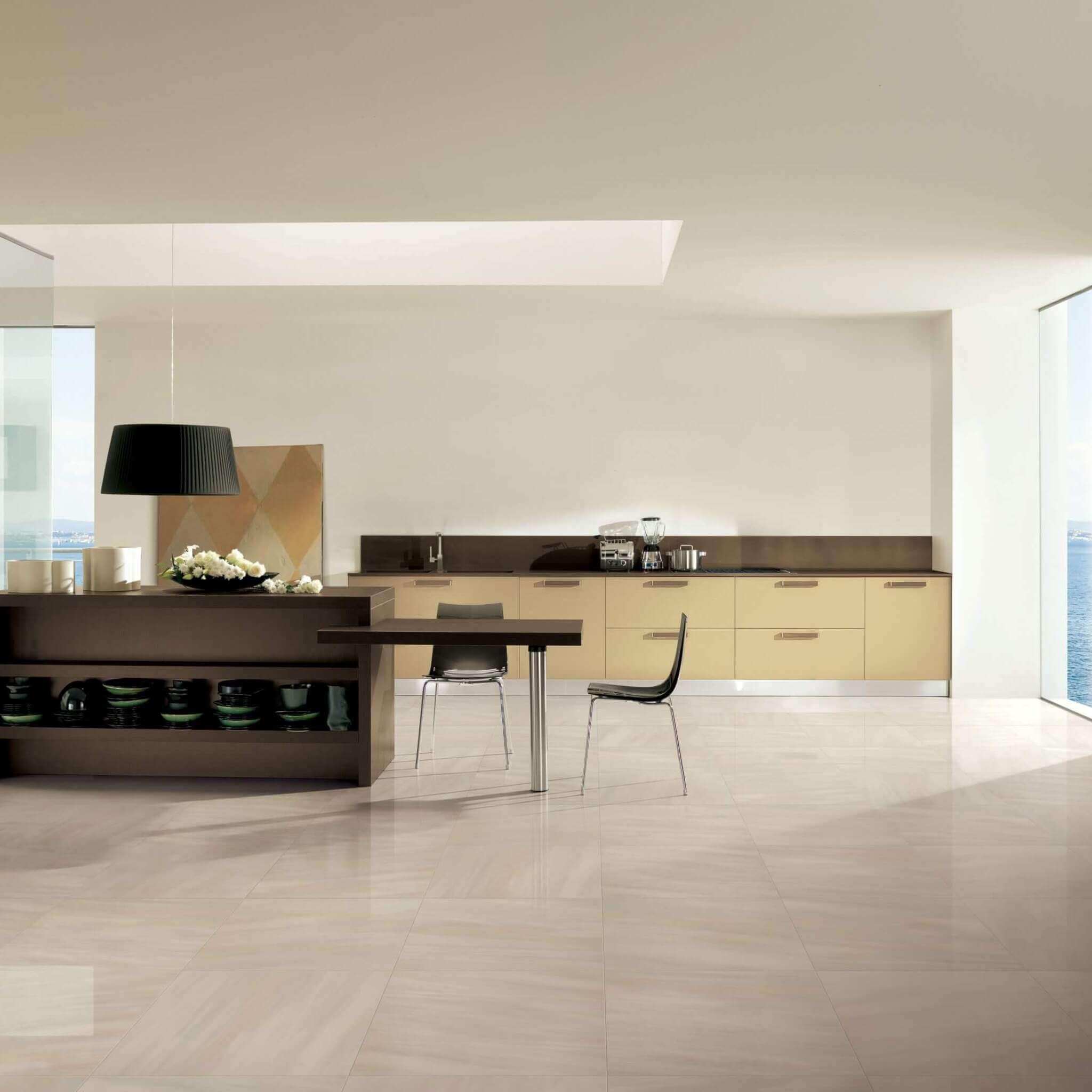
Dolomite is a natural stone formed primarily from the mineral calcium magnesium carbonate. It offers the luxurious appearance of marble while providing improved durability and resistance to scratches.
Many homeowners choose dolomite because it combines elegant veining with practical performance. It is commonly used for kitchen countertops, bathroom vanities, fireplace surrounds, wall applications, and decorative surfaces.
Its balanced combination of beauty and strength makes it an excellent option for both residential and commercial interiors.
Check Out Our Dolomite Tiles:
Epic Dolomite Porcelain Tiles
Dolomite Beige Porcelain Tiles
Dolomite White Porcelain Tiles
What Is Marble?
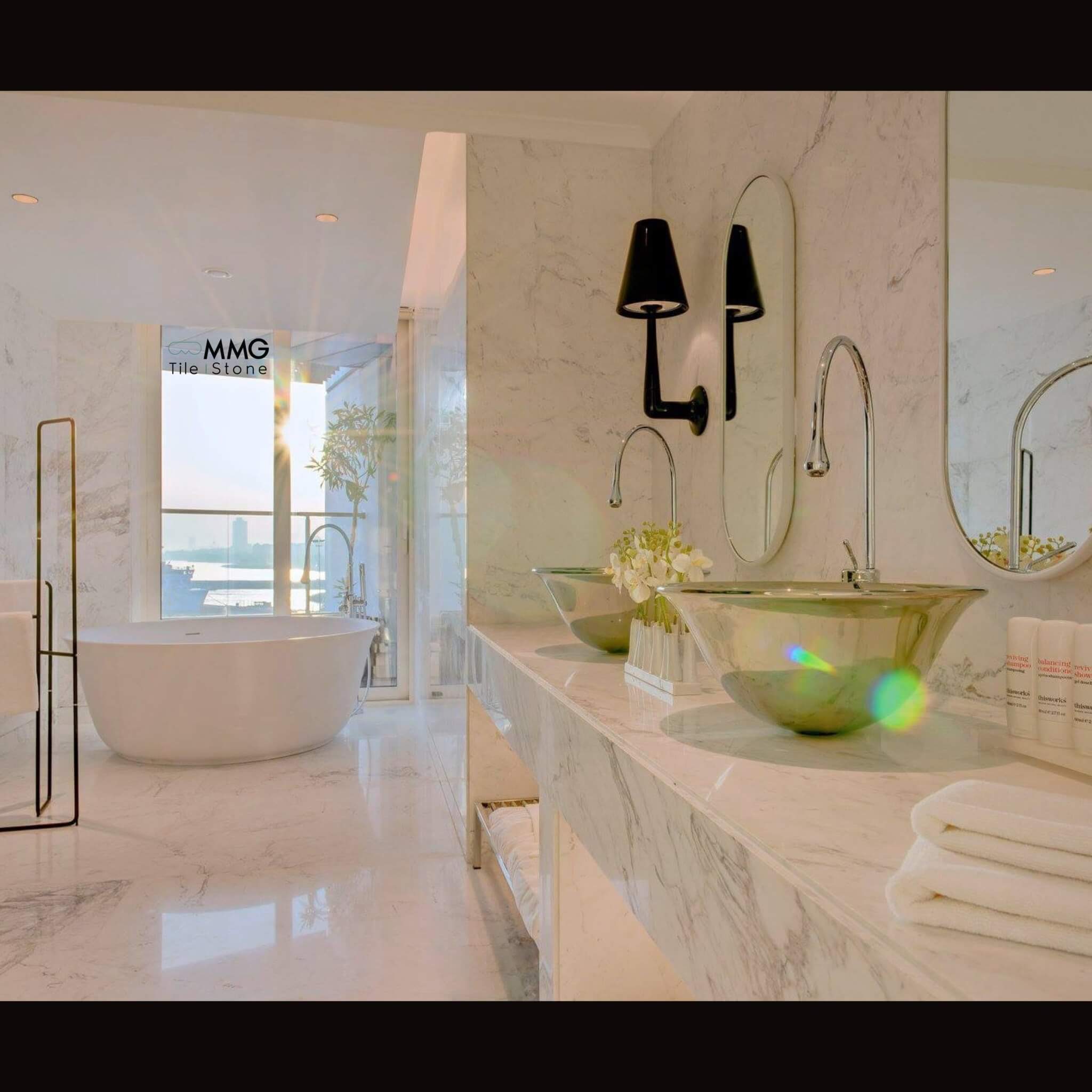
Marble is a timeless natural stone created when limestone undergoes heat and pressure over millions of years. It has been used in architecture and interior design for centuries because of its distinctive veining and luxurious appearance.
Available in a wide range of colors and patterns, marble creates a sophisticated look that suits both traditional and contemporary spaces. However, it is softer than dolomite and requires more care to maintain its polished finish.
Check Out Our Marble Tiles:
Lilac 12×12 Polished Marble Tile
Lando Checkerboard Marble Tiles
Difference Between Dolomite and Marble
Although both stones belong to the natural stone family, several important differences set them apart.
1. Composition
The primary difference between dolomite and marble is their mineral composition, which influences their strength, durability, and overall performance.
✅ Marble: Marble is primarily composed of calcite (calcium carbonate). This composition gives marble its classic beauty and distinctive veining but also makes it softer and more vulnerable to scratches and acidic substances.
✅ Dolomite: Dolomite consists of calcium magnesium carbonate. The presence of magnesium makes it slightly harder than marble, offering better resistance to everyday wear while maintaining a luxurious natural appearance.
Tip: Compare durability, maintenance, moisture resistance, and budget before deciding between stone-look tile and natural stone for your flooring project.
2. Hardness
Hardness plays an important role in determining how well a natural stone withstands daily use.
✅ Marble: Marble is a relatively soft natural stone. It can develop scratches more easily, especially in high-traffic areas or on frequently used surfaces such as kitchen countertops.
✅ Dolomite: Dolomite is generally harder than marble, making it more resistant to surface scratches. Its added durability makes it a popular choice for busy households and frequently used spaces.
3. Resistance to Etching
Natural stones can react differently when exposed to acidic foods, beverages, and cleaning products.
✅ Marble: Marble is highly susceptible to etching. Acidic substances like lemon juice, vinegar, and wine can leave dull marks on the surface, even if the stone is properly sealed.
✅ Dolomite: Dolomite offers better resistance to etching than marble. Although it is not completely acid-resistant, it is less likely to develop etch marks from occasional exposure and is generally easier to maintain.
4. Appearance
Both stones are valued for their natural beauty, but each offers a unique visual style.
✅ Marble: Marble is known for its bold, dramatic veining and striking color variations. Every slab is unique, making it a popular choice for creating luxurious statement pieces.
✅ Dolomite: Dolomite features softer, more subtle veining with a clean and refined appearance. Its understated elegance complements both modern and traditional interior designs.
5. Maintenance Requirements
Proper care helps preserve the beauty and longevity of both dolomite and marble.
✅ Marble: Marble requires more frequent maintenance due to its softer surface and higher susceptibility to stains, scratches, and etching. Regular sealing and the use of pH-neutral cleaners are recommended.
✅ Dolomite: Dolomite is generally easier to maintain than marble. While periodic sealing is still necessary, its increased hardness and improved resistance to wear make it a practical option for everyday living.
Note: Not sure which marble tile is right for your home? Compare the most popular marble types to find the perfect balance of style, durability, and maintenance.

How to Choose Between Dolomite and Marble
Your choice depends on your priorities.
If durability, lower maintenance, and better scratch resistance are most important, dolomite is often the better option. If your priority is achieving a timeless, luxurious appearance with bold natural veining, marble remains one of the most beautiful choices available.
Consider factors such as daily use, maintenance expectations, budget, and the overall design style of your space before making a decision.
Related Articles:
Vinyl Tile vs Ceramic Tile: A Buying Guide
Outdoor Tiles for Patio That Can Handle Every Season
5 Advantages of Using Waterjet Mosaic Tiles in the Bathroom
Dolomite vs. Marble: Quick Comparison
Need Help Choosing the Right Natural Stone?
Whether you’re drawn to the durability of dolomite or the timeless beauty of marble, selecting the right stone depends on your design goals, lifestyle, and project requirements. MMG Tile & Stone offers a carefully curated selection of premium natural stone, marble, porcelain, ceramic tiles, and slabs to help you create a space you’ll love for years to come.
Browse our premium collection, order $1 samples, or book an appointment with our team to find the right natural stone for your project. Plus, get 10% off your order with code: mmg10 and bring premium quality home for less.
How to Make Sure You’re Buying the Real Thing
The natural stone market isn’t always straightforward. Slabs labeled “dolomite” are sometimes actually marble, and slabs labeled “marble” are sometimes dolomite. This mix-up happens at different points in the supply chain, so it helps to know what you’re really buying before you commit to a countertop or vanity.
Here’s a simple test you can try at home or ask your supplier to demonstrate:
The Lemon Juice or Vinegar Test
Place a few drops of lemon juice or white vinegar on a hidden or inconspicuous part of the slab. Wait about 5 to 10 minutes, then wipe it off and check the spot.
✔ If the area looks dull or slightly etched, the stone contains calcium or magnesium carbonate, meaning it’s marble, dolomite, or a similar stone (not quartzite or granite).
✔ If there’s no reaction at all, the stone is likely a harder material like quartzite or granite.
This test won’t tell you dolomite from marble on its own, but it confirms the stone family you’re dealing with, so you’re not misled by a mismatched label.
Why This Is Important
If you think you’re buying low-maintenance quartzite but you’re actually getting dolomite or marble, you may be caught off guard by etching or staining down the road. Knowing the real composition of your stone helps you plan the right care routine and avoid surprises.
At MMG Tile & Stone, we’re upfront about what you’re getting. Ask our team for documentation or a quick demonstration before you buy so that you can choose your stone with full confidence.