

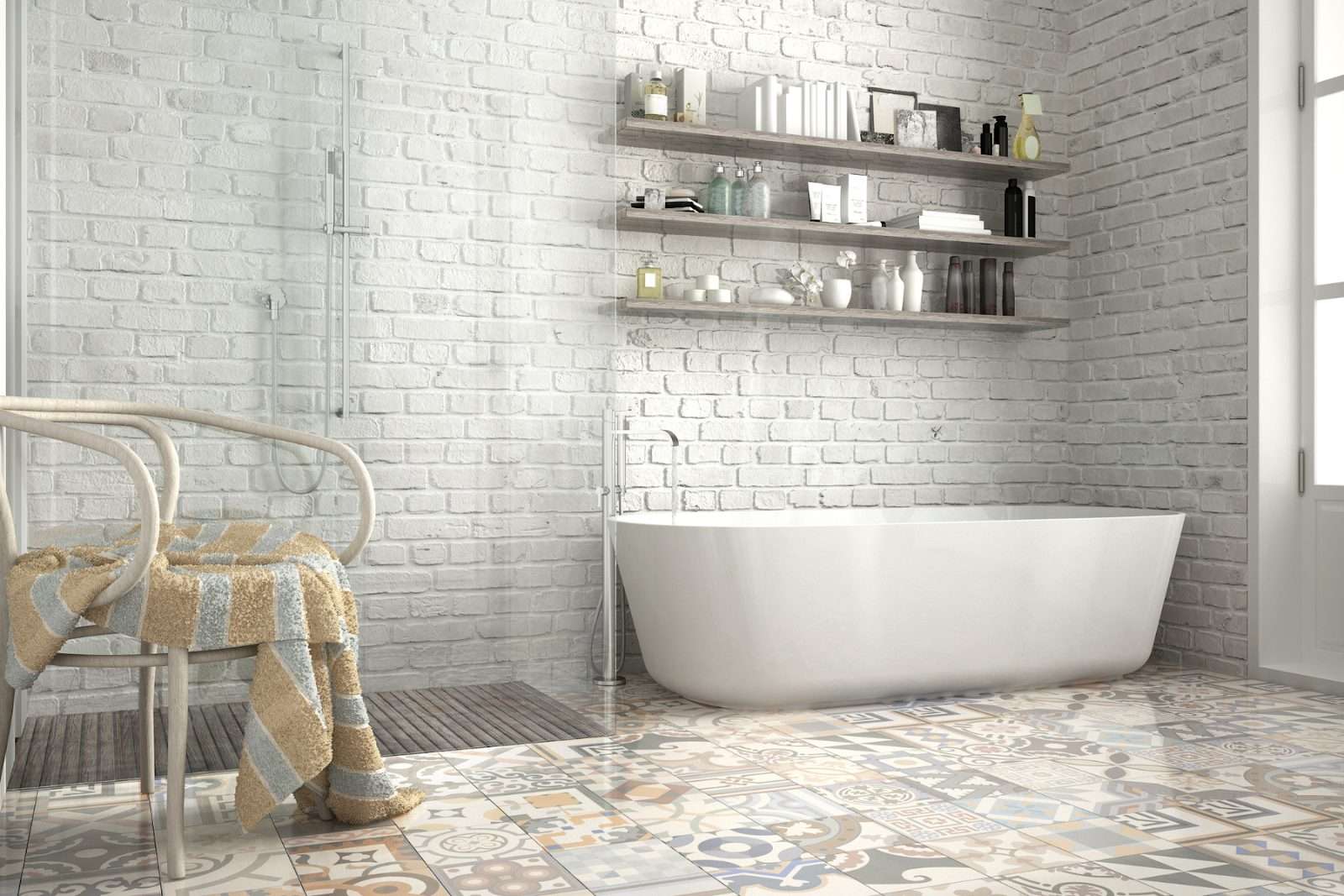
Bathrooms are among the most frequently used spaces in any home, and selecting the right flooring is essential for ensuring both safety and visual appeal. Because bathrooms are constantly exposed to water, humidity, and temperature fluctuations, the flooring must be durable, moisture-resistant, and slip-resistant.
Among the many options available, textured floor tiles have emerged as a popular and practical choice for homeowners and designers alike. But are they truly the best option for bathroom floors? Understanding their advantages, potential drawbacks, and selection considerations can help you make an informed decision that balances safety, comfort, and style.
What Are Textured Tiles?
Textured tiles are floor tiles designed with a slightly rough or patterned surface that provides additional grip compared to smooth or glossy tiles. These textures can range from subtle matte finishes to more pronounced patterns that mimic natural materials such as stone, slate, or wood.
Common materials used for textured bathroom tiles include:
✔ Natural stone (such as slate or travertine)
✔ Vinyl tiles with embossed surfaces
Quick Tip: Planning a wall upgrade? Explore “Are Digital Wall Tiles Better Than Traditional Wall Tiles?” to compare design variety, finish quality, maintenance, and overall visual impact.
Reasons to Choose Textured Tiles for Bathroom Floors
Selecting the right flooring can significantly impact both the functionality and appearance of your bathroom. Textured tiles are favored for their safety features, durability, and design flexibility. They provide improved traction, resist moisture, and enhance the overall ambiance of the space. Here are some of the top reasons to consider textured tiles for your bathroom floor:
1. Enhanced Slip Resistance
One of the most significant advantages of textured tiles is their anti-slip properties. Bathrooms are prone to water spills, steam, and soap residue, all of which can create slippery surfaces. The textured surface increases friction, reducing the risk of slips and falls and ensuring a safer environment for everyday use.
This feature is especially beneficial for:
✔ Homes with children or elderly residents
✔ Commercial spaces such as hotels and spas
✔ Walk-in showers and wet rooms
Many textured tiles are rated using the R-rating or COF (Coefficient of Friction), which indicates their slip resistance. For bathroom floors, an R10 or higher rating is generally recommended to maintain optimal safety.
👉 What Type of Tile Is Best for Bathrooms?
2. Improved Safety
Safety is a top priority in bathroom design, and textured tiles significantly enhance it. Their rough or matte surface provides better grip underfoot, even when the floor is wet. This added traction minimizes the likelihood of slips and falls, making them a safer alternative to glossy or polished tiles.
Textured bathroom tiles are particularly suitable for family homes and public restrooms where preventing accidents is essential. By improving stability and confidence while walking, they provide homeowners with long-term peace of mind and contribute to a secure bathroom environment.
3. Aesthetic Versatility
Textured floor tiles for the bathroom are available in a wide range of styles, colors, and finishes, allowing homeowners to achieve virtually any design theme. They can beautifully replicate natural materials, adding depth and character to the bathroom without the maintenance challenges associated with real stone or wood.
Common design inspirations include:
✔ Stone: Slate, granite, and travertine for a natural look
✔ Wood: Warm, rustic aesthetics with moisture resistance
✔ Concrete: Sleek and modern industrial appeal
✔ Marble: Elegant and luxurious finishes
This versatility enables designers and homeowners to create personalized spaces that blend functionality with visual sophistication.
4. Better Water Drainage
The slightly uneven surface of textured tiles helps channel water more effectively than smooth tiles. This characteristic reduces the likelihood of standing water, which can otherwise lead to slippery conditions, mold growth, and unpleasant odors.
Improved drainage is particularly advantageous in walk-in showers, wet rooms, and spa-style bathrooms, where water exposure is constant. When combined with proper floor gradients and drainage systems, textured tiles contribute to a cleaner, safer, and more hygienic bathroom environment.
5. Durability and Longevity
Textured tiles, especially those made from porcelain or ceramic, are known for their exceptional durability. They are designed to withstand heavy foot traffic, frequent moisture exposure, and temperature fluctuations without cracking, fading, or deteriorating over time.
Additional durability benefits of porcelain textured tiles include:
✔ Scratch resistance, maintaining their appearance for years
✔ Stain resistance, preventing discoloration from spills
✔ Low porosity reduces water absorption and damage
These qualities make textured tiles a long-lasting and cost-effective investment for both residential and commercial bathrooms.
10 Reasons Ceramic Tiles Are Perfect for Bathroom Renovation
6. Conceals Dirt and Water Spots
Unlike glossy tiles that tend to highlight water spots, soap residue, and footprints, textured tiles are more forgiving in appearance. Their patterned or matte surfaces help disguise minor dirt and imperfections, allowing the bathroom to maintain a cleaner look between regular cleaning sessions.
This feature is particularly beneficial in high-traffic bathrooms or households with children and pets. By reducing the visibility of everyday messes, textured tiles help homeowners enjoy a neat and well-maintained space with less frequent upkeep.
Read Also: How to Choose the Right Bathroom Floor Tile: Marble vs Porcelain vs Granite
Factors to Consider When Choosing Textured Tiles
| Factor | Key Points |
|---|---|
| Slip Resistance Rating | Check the R-rating or COF for safety. R10–R11 is ideal for residential bathrooms, while R12+ suits commercial or high-risk areas. |
| Material | Porcelain is the best choice for durability and water resistance. Natural stone offers luxury but needs sealing, while ceramic is budget-friendly. |
| Tile Size | Smaller tiles provide better grip due to more grout lines; larger tiles create a seamless and modern look. |
| Color & Finish | Neutral tones like gray and beige are timeless. A matte or textured finish improves slip resistance and hides water spots. |
| Maintenance Requirements | Porcelain is low-maintenance and easy to clean, while natural stone requires periodic sealing and gentle care. |
Related Articles:
Quartz vs Granite vs Marble: Complete Buyer Guide
Are Digital Wall Tiles Better Than Traditional Wall Tiles?
Which type of tile is best for basement floors?
Upgrade Your Bathroom with Premium Textured Tiles
Enhance your bathroom with textured tiles that combine safety, durability, and timeless style. Choosing the right tiles ensures improved slip resistance, long-lasting performance, and effortless maintenance. MMG Tile & Stone, with a legacy dating back to 1990, offers a curated selection of over 1,000 varieties of natural stone along with premium porcelain, ceramic, mosaic, and semi-precious tiles.
Sourcing materials globally and providing custom cut-to-size solutions, the brand supports both residential and commercial projects. With expert guidance and strict quality standards, MMG Tile & Stone makes it easy to create a bathroom that is both elegant and built to last.
Visit the MMG Tile & Stone projects today and choose tiles that turn your dream bathroom into reality.
Frequently Asked Questions (FAQs)
Q1. Do textured bathroom tiles feel comfortable underfoot?
Most textured tiles are designed to balance grip and comfort, offering a pleasant feel underfoot. Choosing moderately textured or matte finishes ensures safety without causing discomfort, making them suitable for barefoot use in everyday bathroom settings.
Q2. Can textured tiles be used with underfloor heating systems?
Yes, textured tiles, particularly porcelain and ceramic, are compatible with underfloor heating systems. They conduct heat efficiently, providing consistent warmth while maintaining slip resistance, making bathrooms more comfortable and energy-efficient during colder seasons and climates.
Q3. Are textured tiles suitable for both modern and traditional bathroom designs?
Textured tiles complement various design styles, from sleek modern interiors to rustic or classic settings. Available in stone, wood, and concrete looks, they enhance visual depth and character while seamlessly blending with diverse bathroom aesthetics and themes.
Q4. Do textured tiles help hide wear and tear over time?
Yes, the irregular surface of textured tiles effectively conceals minor scratches, water marks, and everyday wear. This characteristic helps maintain a cleaner appearance over time, making them a practical choice for frequently used bathrooms and busy households.
5. Are textured tiles environmentally friendly?
Many textured tiles are produced using sustainable materials and eco-friendly manufacturing processes. Options like natural stone and responsibly manufactured porcelain contribute to environmentally conscious construction while offering durability, reducing the need for frequent replacements and minimizing long-term environmental impact.