


Ever walked into a tile showroom and found yourself stuck between modern printed designs and classic tiles? It’s a common confusion. Digital wall tiles look stylish and eye-catching, while traditional tiles feel reliable and timeless. So, which one should you actually choose?
The truth is, this decision is not just about design. The type of tile you select can affect how your space looks, how easy it is to maintain and how long it lasts. From modern feature walls to practical everyday spaces, the right choice can completely change the overall experience of a room.
That’s why understanding the difference between digital and traditional wall tiles is more important than it seems.
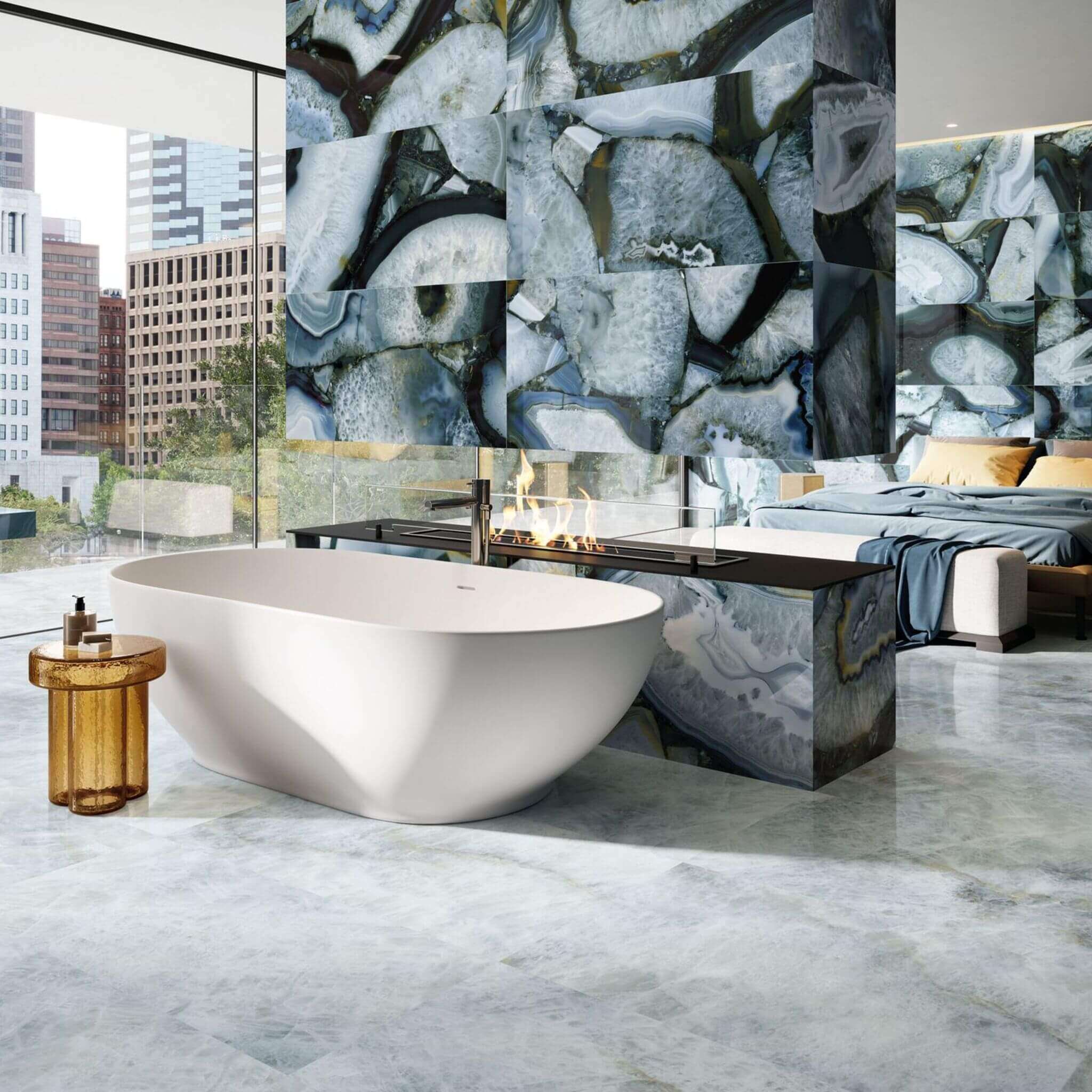
What Are Digital Wall Tiles?
Digital wall tiles are made using advanced inkjet printing technology that prints high-definition designs directly onto the tile surface. This allows them to closely replicate natural materials like marble, wood, stone, and even detailed artistic patterns with impressive realism. Unlike older methods, digital printing brings better clarity, deeper color tones, and more precise detailing.
This makes digital tiles ideal for modern interiors where design plays a major role. They also offer better consistency in patterns across multiple tiles, which is perfect for creating seamless walls. Plus, their smooth finish and protective coating make them resistant to stains, moisture, and fading over time.
Where to Use Digital Wall Tiles?
✔ Living Rooms: Perfect for stylish feature walls and modern interiors.
✔ Bathrooms: Ideal for decorative walls with a clean, premium look.
✔ Kitchens: Great for easy-to-clean, easy-to-maintain backsplashes.
✔ Commercial Spaces: Suitable for showrooms, hotels, and offices.
✔ Accent Walls: Best for bold patterns, textures, and statement designs.
Using digital tiles in the right areas helps create a modern, elegant, and visually striking space.

Also Read: 3D Tiles vs Traditional Tiles: Which Should You Choose?
What Are Traditional Wall Tiles?
Traditional wall tiles are made using conventional manufacturing and printing techniques. These include ceramic tiles, glazed tiles, and hand-painted tiles that have been used for years in homes and commercial spaces. While traditional tiles may not offer the same level of design complexity as digital tiles, they are known for their durability, reliability, and timeless appeal.
Many homeowners still prefer them for their simplicity and proven performance. These tiles are widely available in standard sizes and finishes, making them easy to source and install. Additionally, their long history of use means they have been tested in various conditions, proving their strength and dependability over time.
Where to Use Traditional Wall Tiles?
✔ Bathrooms: Ideal for simple, functional, and long-lasting walls.
✔ Kitchens: Great for basic wall tiling and easy maintenance.
✔ Utility Areas: Perfect for spaces where durability matters most.
✔ Rental Properties: Cost-effective and reliable for regular use.
✔ Classic Interiors: Works well in minimal and traditional designs.
Using traditional tiles helps maintain a clean, practical, and timeless look.
Have a Look at Our Large-Format Tiles:
Tint Blanc 2×6 Matte Ceramic Subway Wall Tile
Labradorite Blue 24×48 Polished Porcelain Tile
Savoir Faire Aquifer 2×18 Glossy Porcelain Wall Tile

👉 Large vs Small Tiles: Which Works Better for Your Space?
Digital vs. Traditional Wall Tiles: Which One Is Better?
The right tile depends on your needs, style, and budget. Both options have their own advantages, so understanding the differences can help you make a smarter and more practical choice for your space.
This comparison makes it clear that digital tiles are ideal for modern, design-driven spaces, while traditional tiles remain a dependable choice for simple and functional areas.
Related Articles:
7 Reasons to Choose Carrara Marble for Your Kitchen Countertops
Large vs Small Tiles: Which Works Better for Your Space?
Why Are Glass Tiles a Smart Choice for Swimming Pools?
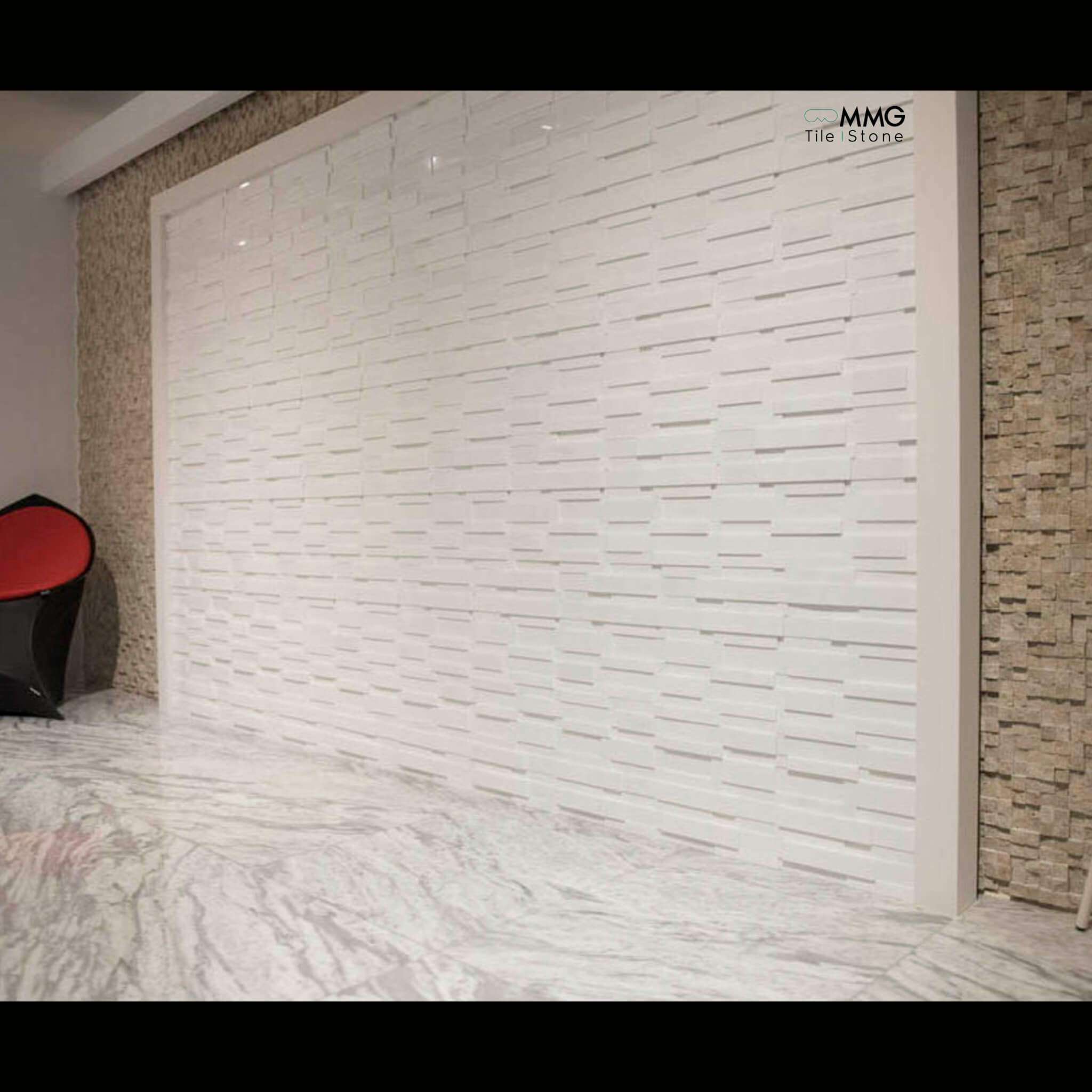
Confused Between Wall Tile Options? We Can Help
MMG Tile & Stone offers a carefully curated selection of wall tiles designed to match different spaces, styles, and functional needs. The range includes premium traditional wall tiles, ceramic, porcelain, and natural stone options, all chosen for their quality, finish, and long-term performance.
Offering over 1,000 varieties of natural stone, along with porcelain, ceramic, mosaics, and semi-precious options, MMG Tile & Stone supports both residential and commercial projects, including custom cut-to-size work.
Every project is approached with attention to detail, ensuring tiles complement the layout, lighting, and overall design vision while delivering consistent, durable, and visually refined results.