

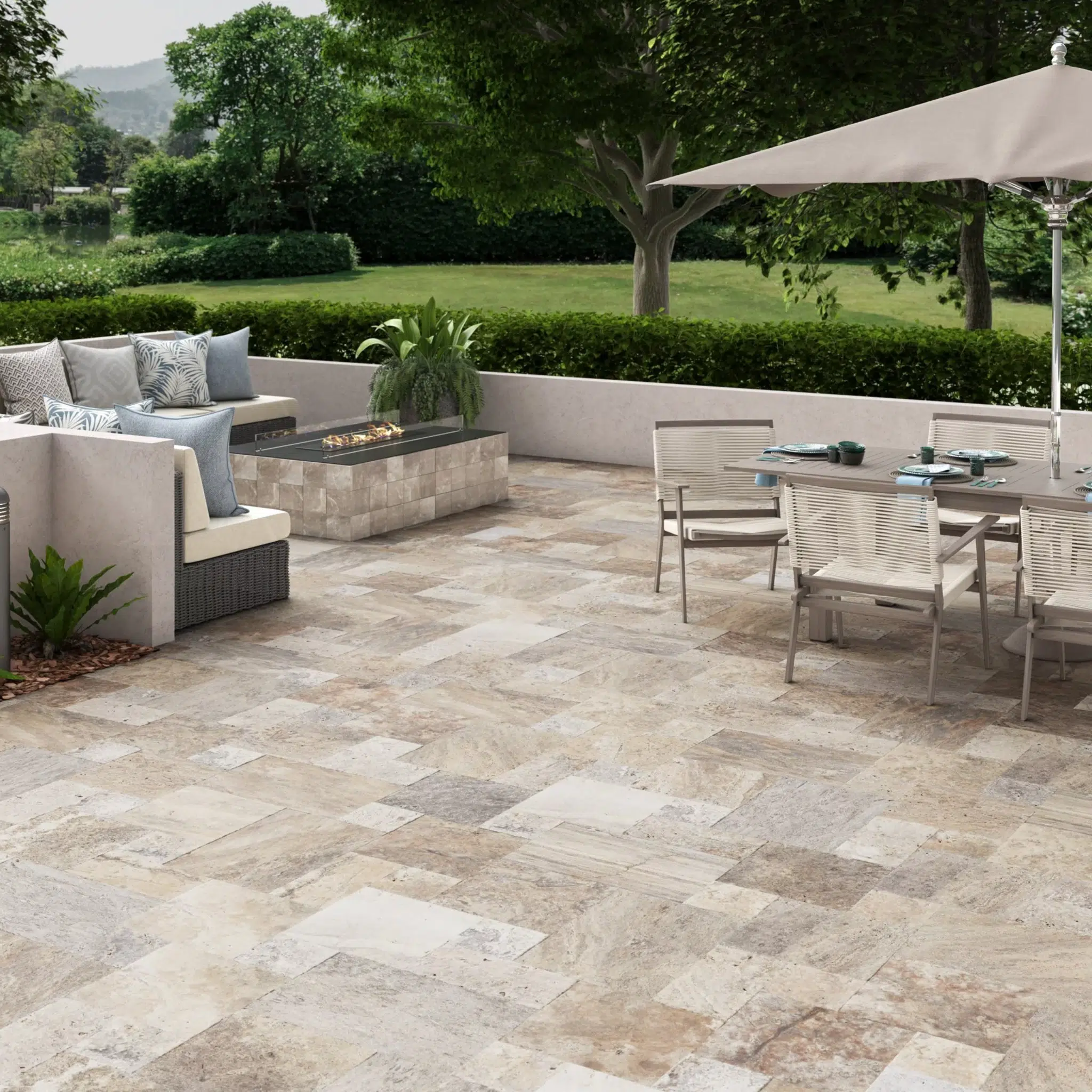
Not all pavers are made for the same job. The right choice for a busy driveway may not be the right choice for a patio, pool deck, or garden walkway. With so many materials, styles, textures, and finishes available, choosing pavers can be harder than it first seems.
Some options are built for heavy traffic and long-term durability, while others stand out for their natural appearance, low maintenance, or design flexibility. Cost, weather exposure, drainage, and the way you plan to use the space also play a role in the decision.
Understanding what each type offers can help you choose with confidence instead of selecting a material based on appearance alone.
What Are Pavers?
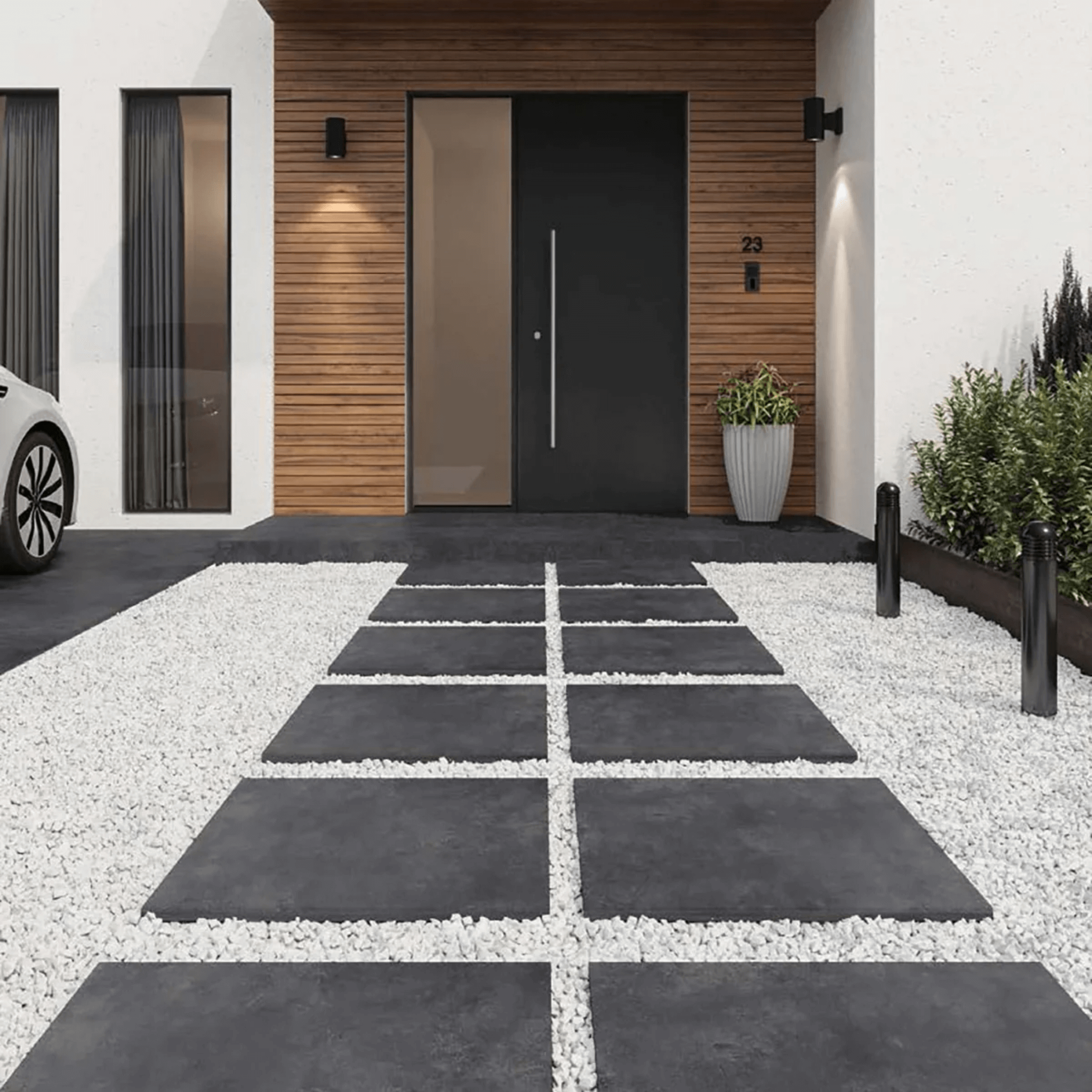
Pavers are individual pieces of material used to create outdoor surfaces such as patios, driveways, walkways, pool decks, and garden paths. Unlike poured concrete, pavers are installed as separate units, allowing them to be arranged in different patterns, shapes, and designs.
They are available in materials such as concrete, brick, natural stone, porcelain, and more. The right option depends on factors like where the pavers will be installed, how much traffic the surface will receive, the desired appearance, maintenance needs, and budget. Understanding these differences makes it easier to narrow down your choices before selecting a paver for your project.
Note: For pool decks and other areas exposed to moisture, surface traction should be part of your paver selection. Learn more about whether porcelain pavers are slip-resistant before choosing a finish.
Different Types of Pavers for Outdoor Spaces
Pavers come in many materials, styles, and finishes, so the right option depends on where you plan to use them and the look you want to create. Here are seven popular types to consider for different outdoor applications.
1. Concrete Pavers
Concrete pavers are a versatile option for patios, driveways, walkways, and other outdoor areas. They are available in a wide range of sizes, shapes, colors, and patterns, making it easier to match different design styles.
They can also provide good durability when installed over a properly prepared base. Since individual pieces can be replaced, repairing a damaged area does not necessarily require replacing the entire surface.
Also Read: Porcelain Pavers vs Concrete Pavers: Which Is Worth It
2. Brick (Clay) Pavers
Brick pavers are made from natural clay and are known for their warm, traditional appearance. Their earthy tones work well with classic, rustic, and historic-style properties.
Brick can be used for driveways, patios, walkways, and garden paths, creating a timeless look that complements landscaping. The color generally remains consistent because it comes from the clay and firing process rather than a surface coating.
3. Limestone Pavers
Limestone pavers are a natural stone option valued for their soft colors, subtle texture, and understated appearance. They are commonly available in shades such as beige, cream, gray, and light brown, allowing them to blend easily with different outdoor designs.
Limestone can work well for patios, walkways, pool areas, and other spaces where a natural appearance is desired. Proper care and sealing may help protect the stone from staining and weathering.
4. Porcelain Pavers
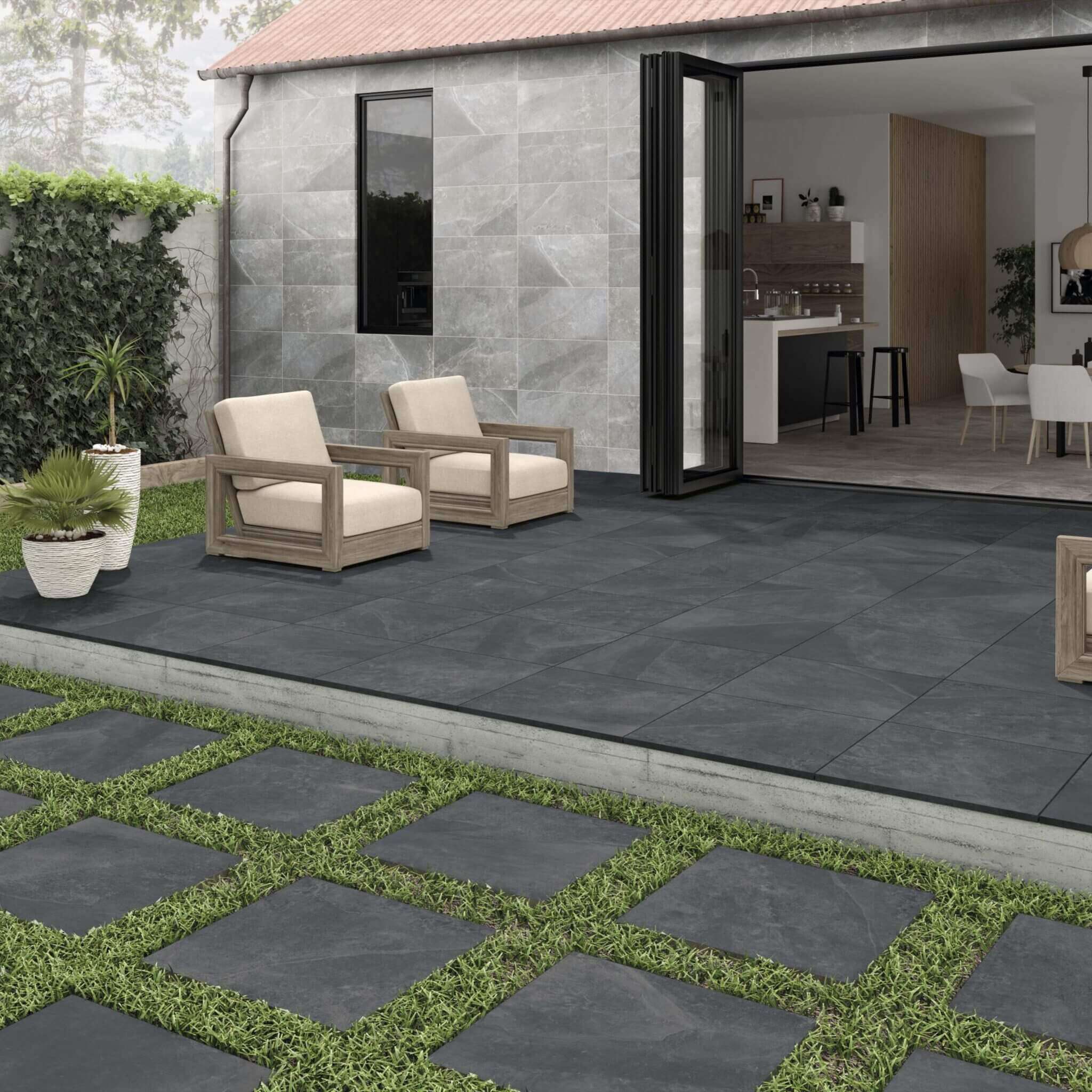
Porcelain pavers offer a clean, contemporary appearance and are available in designs that can resemble stone, concrete, or wood. They are manufactured to be dense and have low water absorption, which can make them suitable for outdoor areas exposed to moisture.
Porcelain is often used for patios, terraces, pool surrounds, and modern walkways. Because installation requires a stable base and appropriate setting method, proper preparation is especially important.
Tip: Considering porcelain for your outdoor space? Learn why porcelain pavers are perfect for farmhouse living before choosing your material.
5. Flagstone Pavers
Flagstone pavers are made from natural stone and are typically recognized by their broad, flat surfaces and irregular shapes. Stones such as sandstone, slate, and limestone may be used to create flagstone surfaces.
Their natural variation gives patios, pathways, and garden areas a more relaxed and organic appearance. Flagstone can be installed with tight joints or wider spaces filled with gravel, soil, or suitable groundcover depending on the design.
6. Bluestone Pavers
Bluestone is a dense natural stone known for its blue-gray coloring and relatively consistent appearance. It can create a refined yet natural look for patios, walkways, steps, and pool areas.
Bluestone is also available in different finishes and sizes, allowing it to work with both traditional and contemporary designs. Like other natural stone pavers, it should be installed on a properly prepared base to support long-term stability and drainage.
Tip: For patios, walkways, and other outdoor areas, bluestone-look porcelain pavers can offer a durable surface with a natural stone appearance. Learn more about the benefits of bluestone porcelain pavers for outdoor spaces.
7. Cobblestone Pavers
Cobblestone pavers are known for their distinctive textured appearance and old-world character. Traditionally made from natural stone, cobblestones can add visual interest to driveways, walkways, patios, borders, and landscape features.
Their smaller size makes it possible to create curved layouts and detailed patterns that may be difficult with larger pavers. Cobblestone can be highly durable, although its uneven surface may be less comfortable for some applications where smooth, easy walking is a priority.
Practical Comparison of the 7 Paver Types
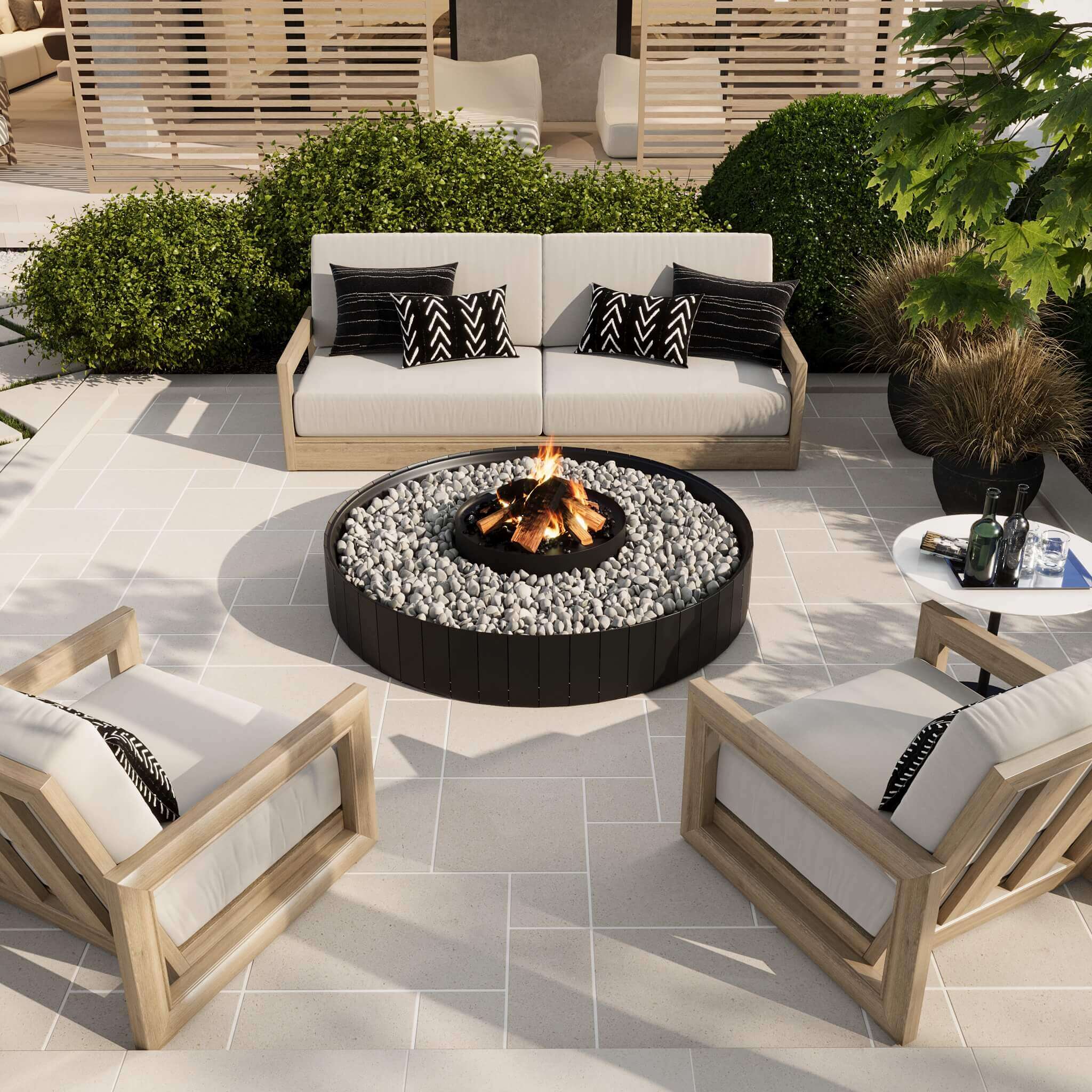
Looking beyond appearance can help you identify which paver type is most suitable for your project. The table below compares the options based on common outdoor uses, style, maintenance, and general cost level.
Choosing Based on Your Outdoor Space
For a driveway or other area that regularly handles vehicles, concrete, brick, and cobblestone can be practical choices. For patios and entertaining areas, limestone, porcelain, flagstone, and bluestone offer a range of natural and contemporary looks.
For curved pathways, borders, or designs that benefit from smaller units, cobblestone can provide greater layout flexibility. Porcelain may suit homeowners looking for a clean, low-maintenance surface, while natural stones such as limestone, flagstone, and bluestone can provide more variation in color and texture.
The right choice ultimately depends on how the area will be used, the style you want, the level of maintenance you prefer, and the available budget.
Related Articles:
What Is Through-Body Porcelain Tile
Should Your Kitchen Backsplash Match Your Countertop
What Is Frost-Resistant Tile and Where Should You Use It?
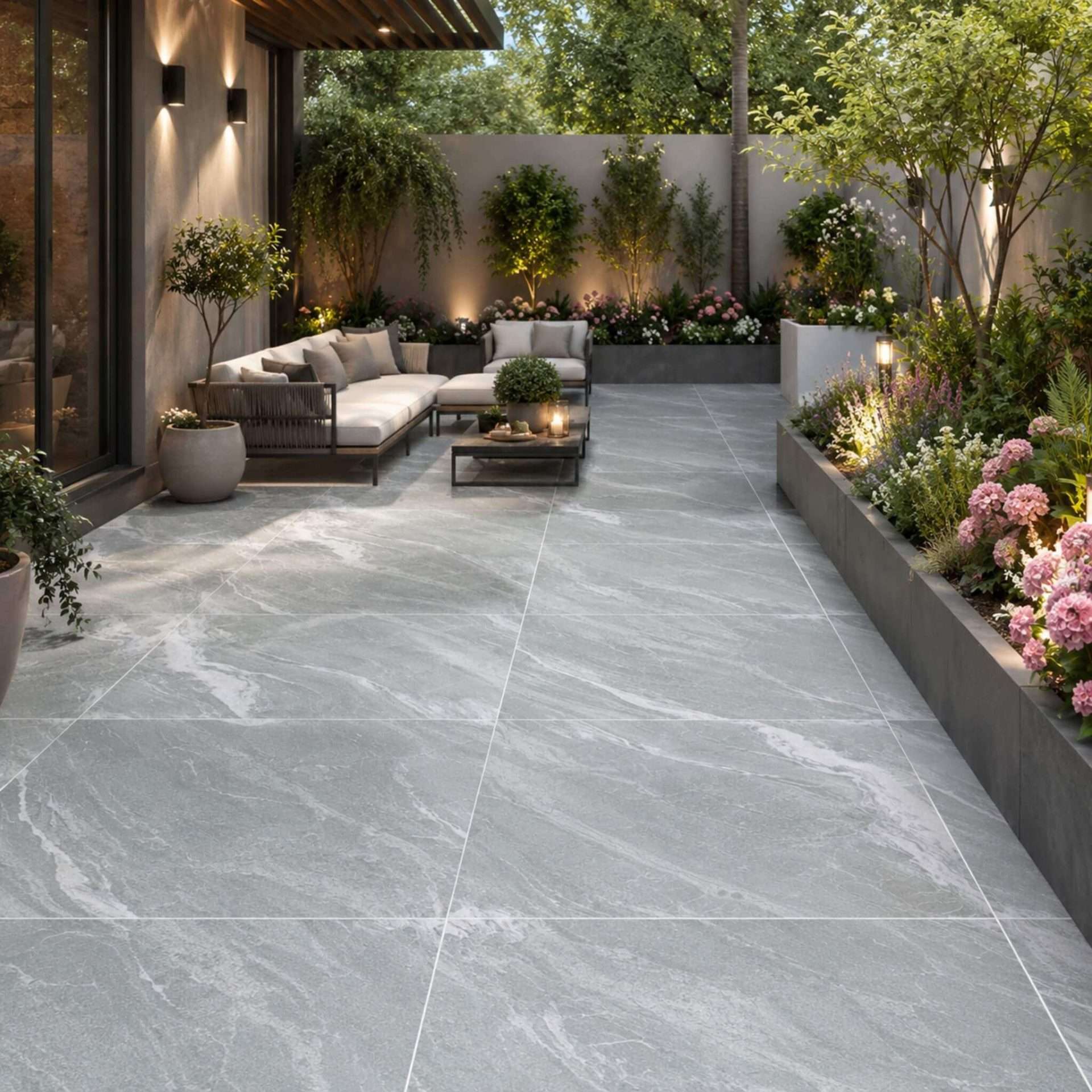
Not Sure Which Paver Fits? Let’s Narrow It Down
Choosing an outdoor surface starts with finding the right material for your space, style, and project needs. MMG Tile & Stone offers a curated selection of natural stone and porcelain options in a wide range of colors, textures, and finishes.
See how different materials look in your space before making a final decision. Order a sample for just $1 or book an appointment with the MMG team to discuss your project and find an option that fits your vision.
Pavers vs. Other Outdoor Surface Options
Pavers are not the only choice for outdoor surfaces. Depending on the project, homeowners may also consider poured concrete, stamped concrete, gravel, or other materials.
One advantage of pavers is that individual units can generally be removed and replaced without replacing the entire surface. Their modular design also allows for different patterns and layouts.
However, the final performance of any paver installation depends heavily on proper preparation and installation. An attractive material may still experience shifting, unevenness, or drainage problems if the underlying base is not properly prepared.